


The removal of fuel subsidies in Nigeria, a decision with profound implications, continues to ripple through the nation’s economic landscape and the daily lives of its citizens. While proponents argue for the fiscal liberation and market efficiency it promises, the initial months and, indeed, the long-term outlook present a complex tapestry of challenges and potential, albeit distant, benefits. This policy shift, designed to redirect vast sums of money from consumption to productive sectors, has set in motion a chain of reactions that will shape Nigeria’s future for years to come.
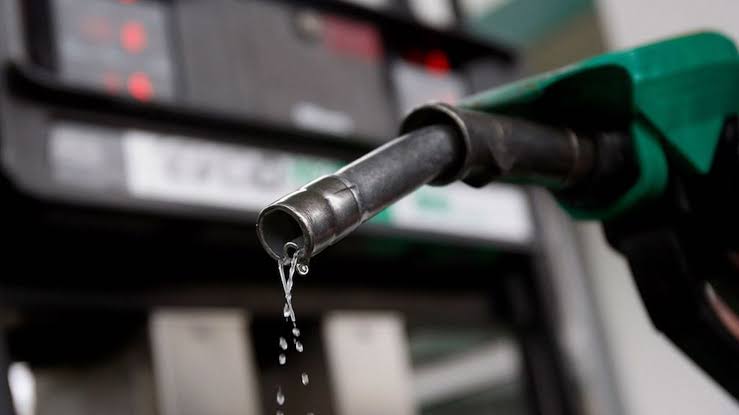
The Immediate Tremors and Lingering Inflation
The most immediate and palpable impact of the subsidy removal was the drastic surge in fuel prices. This was not merely an inconvenience; it triggered a cascade of price increases across almost every sector. Transportation costs skyrocketed, directly impacting the movement of goods and people. Food prices, already a concern for many Nigerian households, saw significant jumps as farmers and traders grappled with higher logistics expenses.
This inflationary pressure has significantly eroded the purchasing power of citizens, particularly low-income earners and vulnerable households, who now find it increasingly difficult to afford basic necessities.
The initial economic shock has manifested as a decrease in disposable income for individuals and small businesses, leading to reduced consumption expenditure. This slowdown in aggregate demand can, in the short to medium term, hinder economic growth.
Businesses that rely heavily on petroleum products for their operations, from manufacturing to services, have faced higher operating costs, leading to reduced profitability, job losses in some instances, and even business closures. The informal sector, a significant employer in Nigeria, has been particularly hit hard, with many individuals losing their livelihoods or seeing their incomes drastically cut.
Economic Rebalancing: The Long Game
From a macroeconomic perspective, the removal of the fuel subsidy is intended to free up substantial financial resources that were previously consumed by the subsidy regime. These funds, amounting to trillions of Naira annually, were largely seen as an unsustainable drain on the national budget, contributing to fiscal deficits and limiting government’s ability to invest in critical infrastructure and social services.
In the long term, the theory posits that these freed-up funds can be strategically reallocated to productive sectors such as education, healthcare, infrastructure development (roads, power, digital infrastructure), and agriculture. Such investments are crucial for fostering sustainable economic growth, creating a more diversified economy, and improving the overall standard of living.
Furthermore, the full deregulation of the downstream petroleum sector is expected to attract greater private sector investment. This competition, in time, could lead to increased efficiency, improved supply chains, and potentially more stable and market-reflective fuel prices. It could also incentivize the development of domestic refining capacity, reducing Nigeria’s heavy reliance on imported petroleum products and strengthening energy security. The long-term vision includes reduced fuel smuggling and a more transparent petroleum industry, where market forces rather than arbitrary subsidies dictate prices.
Impact on Citizens: A Mixed Bag of Hardship and Hope
For the average Nigerian citizen, the long-term effects are a complex interplay of continued hardship and the potential for a better future, if the government’s promises of palliative measures and re-investment materialize effectively.
Increased Cost of Living and Poverty: The immediate spike in prices has undoubtedly pushed more Nigerians into poverty and exacerbated existing inequalities. Low-income households, with limited safety nets, bear the brunt of increased transportation, food, and other essential good costs. Without commensurate increases in income or robust social welfare programs, many families will continue to struggle with reduced real income and a lower standard of living.
Changes in Lifestyles and Consumption Patterns: Citizens are adapting to the new reality by altering their consumption patterns. This could involve reducing non-essential spending, seeking alternative means of transportation (e.g., carpooling, public transport where available and affordable), or exploring more energy-efficient alternatives. While this might encourage more sustainable practices in the long run, the transition is undeniably difficult.
Potential for Improved Social Services: The success of the subsidy removal, from the citizens’ perspective, hinges heavily on how the saved funds are utilized. If these funds are genuinely channeled into improving public services – building better schools and hospitals, providing reliable electricity, and developing efficient public transportation systems – then citizens might eventually experience a net benefit, albeit after a period of significant adjustment. Investing in public transportation, for instance, could offer a more affordable alternative to private vehicle usage, lessening the burden of high fuel prices.
Employment and Entrepreneurship: While some jobs may have been lost in the short term, the redirection of funds towards infrastructure and other productive sectors has the potential to create new employment opportunities in the long run. Furthermore, the removal of market distortions could foster a more competitive environment for businesses, encouraging innovation and entrepreneurial ventures that are not reliant on subsidized fuel.
Mitigating the Pain and Ensuring a Just Transition
For the long-term benefits of fuel subsidy removal to outweigh the immediate hardships, several critical factors must be addressed by the government.
Firstly, transparency and accountability in the management and deployment of the saved funds are paramount. Citizens need to see tangible evidence that the sacrifices they are making are leading to meaningful development and improved services.
Secondly, robust and effective palliative measures are crucial. These should go beyond temporary cash transfers and include sustainable programs like targeted food assistance, investment in public transportation, and support for small and medium-sized enterprises (SMEs) to cushion the impact on the most vulnerable.
Thirdly, investment in local refining capacity is vital to reduce dependence on imports and stabilize fuel prices in the long term. This would also create jobs and enhance the country’s energy independence.
Finally, economic diversification away from an over-reliance on oil and gas is essential for long-term resilience and sustained growth. The funds saved from the subsidy can be instrumental in driving this diversification, fostering growth in sectors like agriculture, technology, and manufacturing.
In conclusion, the removal of fuel subsidy in Nigeria is a bold and necessary, albeit painful, economic reform. Its long-term impact on the economy and citizens will largely be determined by the government’s commitment to transparent governance, prudent resource management, and effective implementation of palliatives and developmental projects. The journey promises to be challenging, but if navigated correctly, it could pave the way for a more stable, diversified, and prosperous Nigerian economy, ultimately improving the lives of its citizens.