

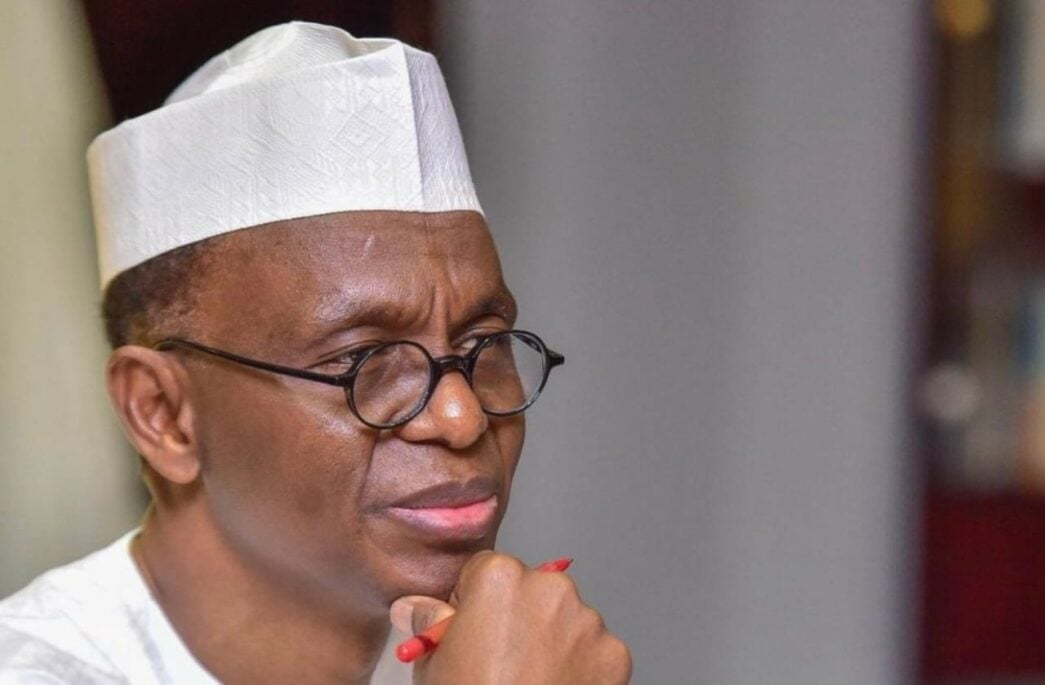
Former Kaduna State governor, Nasir El-Rufai, has been arraigned by Nigeria’s secret police over allegations that he unlawfully accessed private communications involving Nuhu Ribadu.
The case, filed by the Department of State Services (DSS), was brought before a Federal High Court in Abuja, where the 66-year-old politician faced a five-count amended charge bordering on cyber-related offences and breaches of Nigeria’s communications laws.
According to prosecutors, the charges stem from comments El-Rufai made during a February 13 interview on Arise TV. In that interview, he alleged that some associates overheard Ribadu directing security agencies to arrest him claims authorities now argue suggest unlawful interception or access to confidential telephone conversations.
At Thursday’s court session, the prosecution informed the court that the original three-count charge had been expanded to five counts. El-Rufai pleaded not guilty to all allegations.
Presiding over the matter, Justice Joyce Abdulmalik adjourned proceedings to May 18 to rule on several pending applications, including El-Rufai’s bail request, the use of pseudonyms for witnesses, and other legal motions. The court also ordered that the former governor be remanded in custody, amid reported disagreements between the DSS and the Independent Corrupt Practices Commission (ICPC) over jurisdiction.
This latest arraignment comes on the heels of a separate case filed by the ICPC on April 13 in Kaduna, where El-Rufai is facing allegations of false pretences and misuse of public funds. In that matter, his bail application was denied on grounds that he may pose a flight risk.
The legal challenges facing El-Rufai are widely seen as part of the broader political tensions that followed his fallout with the administration of Bola Ahmed Tinubu after the 2023 presidential election cycle under the All Progressives Congress (APC).
ALSO READ: Godwin Asiegbu Celebrates Ohuhu Leader, Chief Uchenna Iheanacho, on His Birthday
As the cases progress, legal analysts say the outcomes could have significant implications for both Nigeria’s cybercrime enforcement framework and the country’s evolving political landscape.

