


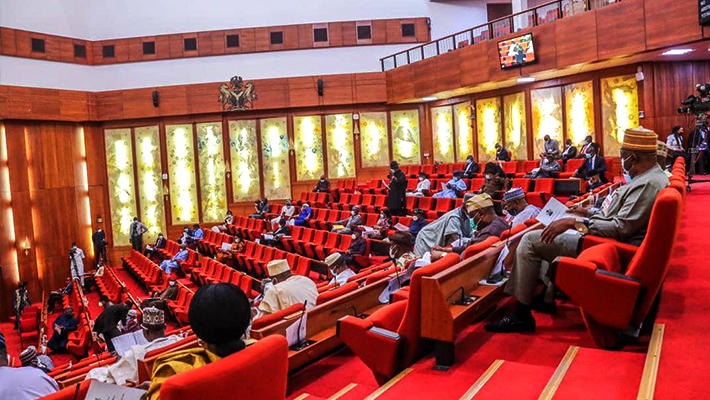
Nigeria’s growing creator economy took center stage in the Senate as lawmakers debated the Banking and Other Financial Institutions Act (BOFIA) Amendment Bill 2025. During the second reading, Senator Natasha Akpoti-Uduaghan of Kogi Central urged the federal government to address persistent irregularities in online payment systems affecting Nigerian content creators.
Akpoti-Uduaghan highlighted the unequal revenue distribution experienced by Nigerian creators on major digital platforms such as Facebook and YouTube. According to her, creators in Nigeria earn significantly less than their counterparts in other countries despite contributing to the same global digital ecosystem. She attributed the disparity to low local advertising budgets and unfavorable payout structures determined by market conditions.
The senator emphasized that social media platforms are now critical economic tools for the country’s youth, offering job opportunities, exposure, and financial independence. She argued that reforming online payment systems is essential to unlock the full economic potential of the digital sector and support innovation-driven employment.
The BOFIA Amendment Bill, sponsored by Senator Mukhail Adetokunbo Abiru, seeks to expand regulatory oversight of fintech companies to ensure greater transparency, competition, and financial stability. The bill successfully passed its second reading and has been forwarded to a Senate committee for further scrutiny.
Supporters of Akpoti-Uduaghan’s intervention welcomed her advocacy, saying it reflects growing recognition of the creator economy as a critical driver of national development. Critics, however, cautioned that global pricing models are often influenced by market realities such as discounted subscriptions and regional advertising costs, making immediate parity unlikely.
As the bill progresses, stakeholders hope the reforms will foster a more equitable digital marketplace while strengthening financial infrastructure for Nigeria’s rapidly expanding tech sector.