



West Africa is witnessing renewed diplomatic unease after Burkina Faso confirmed the detention of 11 Nigerian military personnel following the forced landing of a Nigerian Air Force (NAF) C-130 aircraft in Bobo-Dioulasso, southwestern Burkina Faso.
The incident, which unfolded on Monday, has triggered concerns across the region, particularly as relations among West African states remain strained amid rising insecurity and emerging military alliances.
AES Accuses Nigeria of Unauthorized Airspace Breach
Authorities linked to the Alliance of Sahel States (AES) a security coalition formed by Burkina Faso, Mali, and Niger alleged that the NAF aircraft entered AES-controlled airspace without prior clearance. According to reports, Burkinabé forces intercepted the aircraft after detecting its movement within their airspace.
AES officials described the operation as a security response carried out under strict regional air defense protocols. The plane was subsequently compelled to land, after which security forces detained the 11 service members on board.
Emergency Situation Triggered Aircraft Deviation
Preliminary accounts suggest that the aircraft was originally en route to Tamale, Ghana, before experiencing an emergency mid-flight. During the incident, the plane’s transponder reportedly went offline whether due to technical failure or a deliberate procedure remains unclear.
With the transponder disabled, the aircraft disappeared from radar and diverted from its designated route, eventually moving northwest into Burkinabé territory. The breach occurred at a time when AES countries have heightened surveillance amid persistent militant threats.
AES Issues Tough Warning on Airspace Violations
In a statement reflecting the bloc’s uncompromising posture, AES leadership emphasized that:
“Any unauthorized aircraft violating AES airspace will be neutralized.”
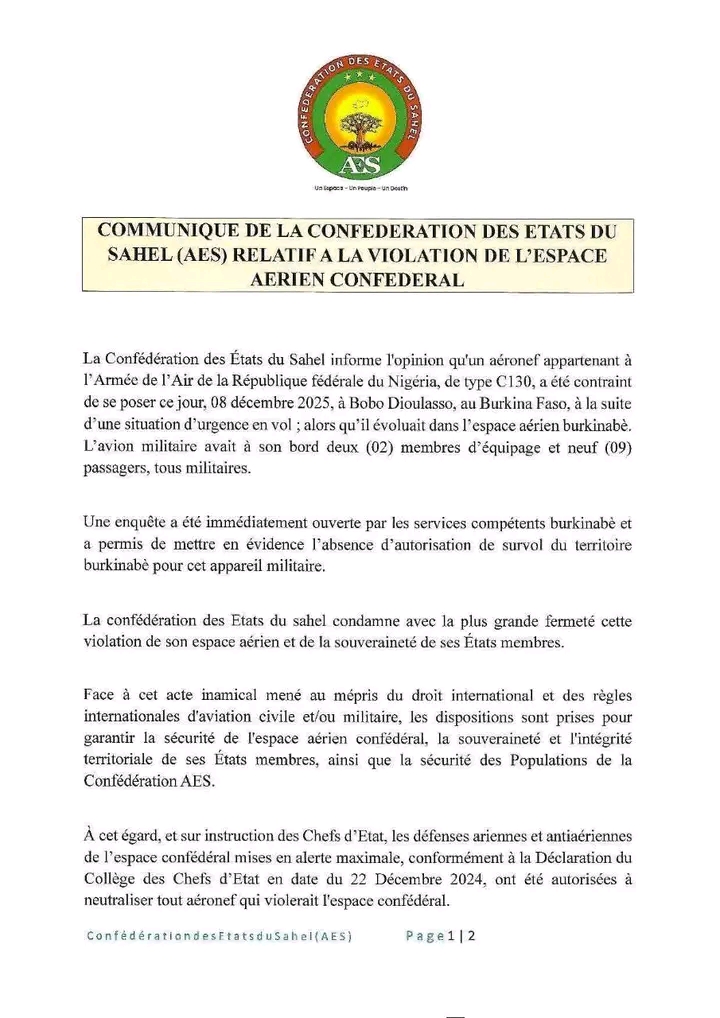
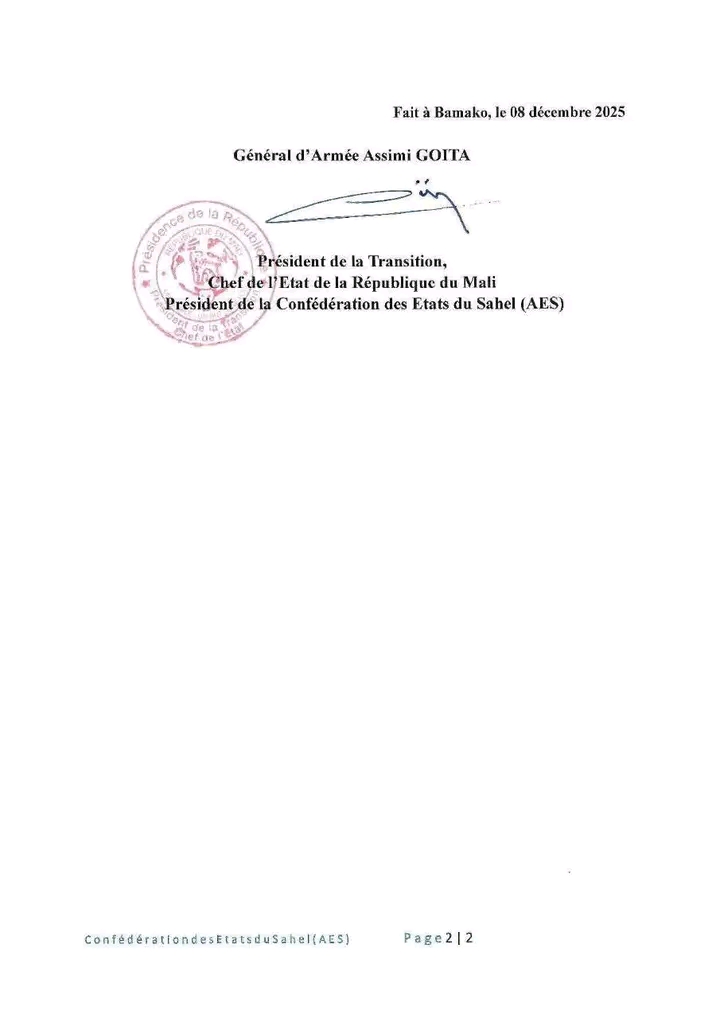
The message highlights a firmer stance by the alliance, which has adopted militarized border and air defense strategies following political upheavals and deteriorating regional relations.
Unanswered Questions Fuel Diplomatic Anxiety
Key uncertainties now dominate conversations around the episode:
Was the transponder shutdown an unavoidable consequence of the emergency?
Did NAF communicate the situation before entering AES airspace?
What steps will be taken to secure the release of the detained officers?
Analysts argue that the incident exposes deeper tensions tied to regional power dynamics, aviation security, and diplomatic engagement in West Africa.
Broader Implications for West African Security
Nigeria, a central actor in regional peace and security architecture, now faces a delicate situation as it navigates both the emergency incident and the detention of its personnel.
Observers warn that failure to resolve the matter swiftly could worsen relations between Nigeria and the AES bloc, especially at a time when statutory alliances are being reconfigured across the subregion.
Awaiting Diplomatic Response
Officials in Abuja and Ouagadougou are expected to initiate talks in the coming days. The direction of these negotiations will likely determine both the immediate status of the detained personnel and the future tone of regional cooperation.
ALSO READ: CAC to Enforce Mandatory Registration for POS Operators from January 1, 2026
For now, the incident remains a significant test for West African diplomacy, unfolding against a backdrop of political transitions, insurgency, and evolving military cooperation.