


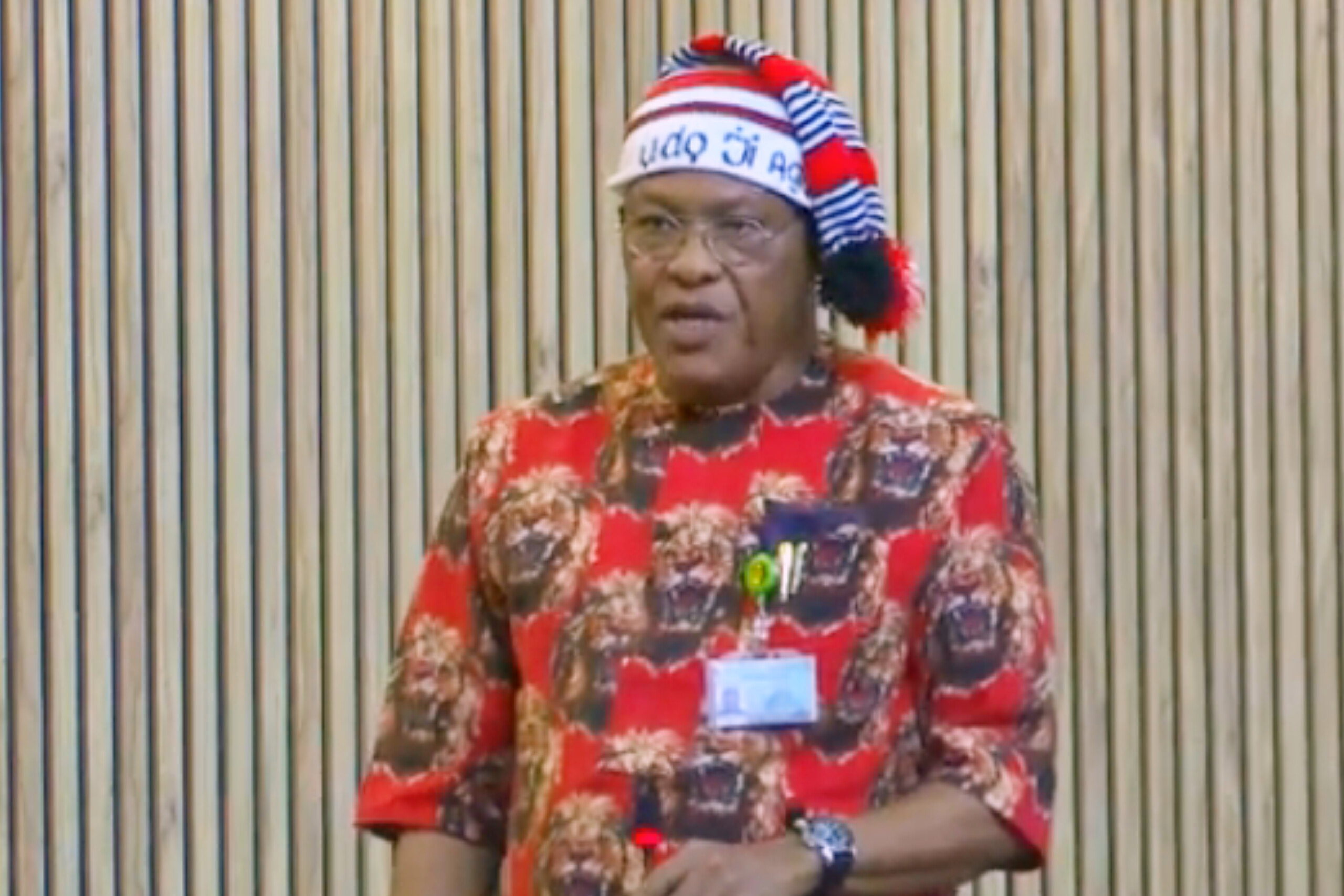
Across Nigeria, discussions about state development often revolve around how much each state receives from the Federation Account. Many believe that higher allocations automatically translate to better progress. However, Hon. Obi Aguocha, Member representing Ikwuano/Umuahia North and South Federal Constituency, has emphasized that true development stems not from allocation size, but from visionary and prudent leadership.
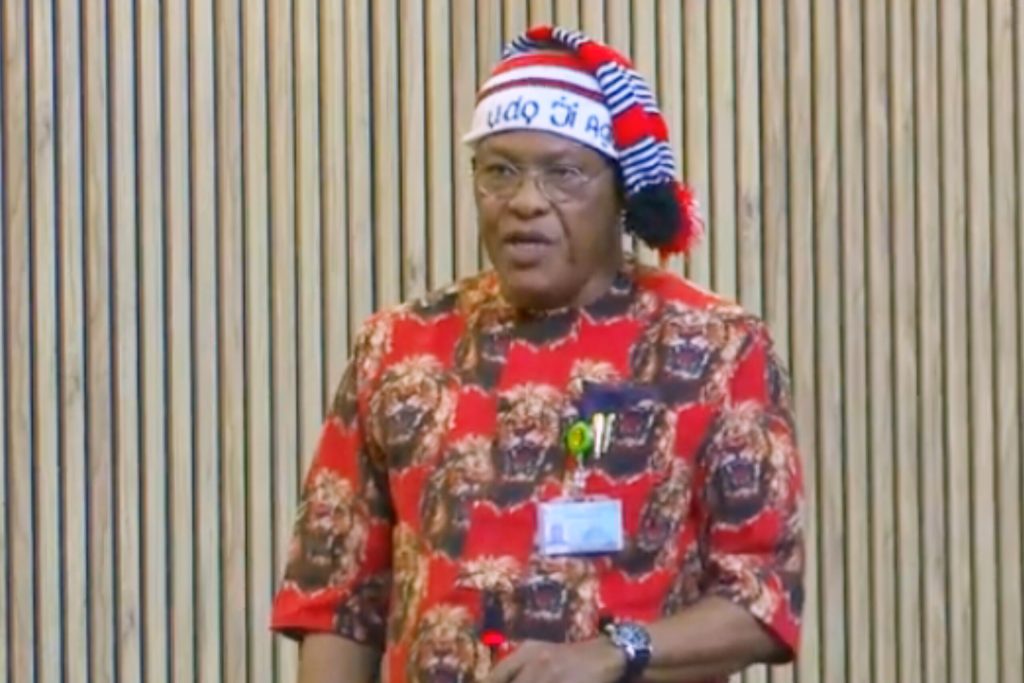
Citing the example of Abia State under Governor Alex Otti, Aguocha noted that effective governance and responsible financial management are proving that transformation is achievable even with modest resources. “The key to progress,” he explained, “lies in how funds are managed, not how much is received.”
When Governor Otti took office, one of his first reforms was restructuring the state’s financial framework to align spending with real developmental needs instead of political preferences. Ministries and departments were directed to submit performance-based budgets, linking allocations to measurable results. This shift fostered a culture of accountability, replacing waste with efficiency.
ALSO READ: Otti Breaks Silence on Deputy Speaker’s Controversial Allocation Remark
Through strategic budgeting and disciplined expenditure, Abia has balanced recurrent and capital spending, ensuring that essential infrastructure projects, such as roads, schools, hospitals, and urban renewal programs, receive steady funding and transparent oversight. Each project is tracked for progress, giving citizens visible proof of how their resources are being used.
Transparency has also become a cornerstone of the Otti administration. Budget documents are now publicly accessible, and regular press briefings keep citizens informed about expenditure. This openness has strengthened public trust, minimized corruption, and encouraged civic participation. As Aguocha highlighted, “When people can see where their money goes, confidence grows and confidence fuels collaboration.”
The results are evident. Abia State now enjoys improved financial stability, prompt salary payments, and renewed investor confidence. Contractors are paid based on verified performance, while public servants are motivated by a renewed sense of purpose. Every naira is carefully channeled to projects that deliver tangible value to the people.
Hon. Aguocha further stressed that good governance is not about spending less but spending wisely. Abia’s focus on long-term investments in healthcare, education, and infrastructure is setting a benchmark for other states. These projects are designed to enhance productivity and foster private sector growth, ensuring that development is sustainable.
Ultimately, the Abia model demonstrates that sustainable progress depends on integrity-driven leadership and sound fiscal management. While some states with larger budgets still battle unpaid salaries and abandoned projects, Abia is charting a new course with transparency, discipline, and strategic planning.
Hon. Aguocha concluded that the lesson is clear: “Allocation alone does not develop a state, true and prudent leadership does. When vision, integrity, and accountability guide governance, even limited resources can create lasting transformation.”