


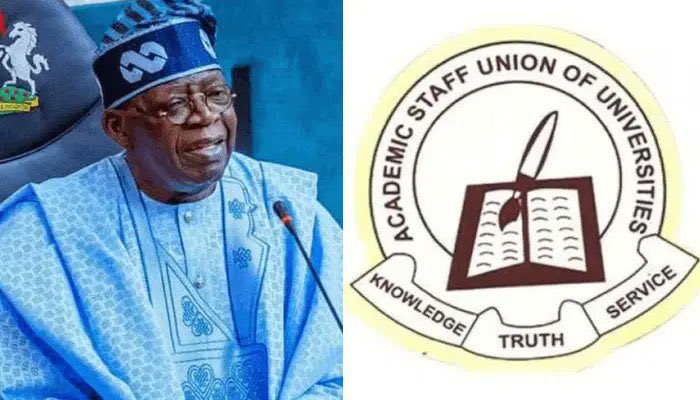
After sixteen years of prolonged and often tense negotiations, the Federal Government of Nigeria and the Academic Staff Union of Universities (ASUU) have finally signed a renegotiated agreement, bringing closure to the long-standing 2009 pact dispute. The new deal was formally concluded on January 14, 2026, marking a major milestone in Nigeria’s higher education sector.
The agreement introduces a 40 percent salary increase for academic staff across federal universities, alongside newly structured allowances aimed at improving lecturer welfare and productivity. One of the key highlights is the creation of a “professorial cadre” allowance, an enhanced monthly top-up of over ₦140,000 for professors. This new category is designed to recognize senior academics and improve retention within the university system.
In addition to salary adjustments, the pact includes nine enhanced Earned Academic Allowances covering research, teaching tools, and academic development. The Federal Government also committed to increased funding for education and innovation, including a pledge to allocate up to one percent of Nigeria’s Gross Domestic Product to research and development, a move expected to strengthen universities and boost global competitiveness.
Minister of Education, Dr. Tunji Alausa, described the agreement as a turning point for tertiary education in Nigeria. He credited President Bola Ahmed Tinubu’s administration for demonstrating political will and ensuring that adequate funding is now available to support the salary increase and improved allowances. According to the minister, the new structure is more realistic, better organized, and focused on long-term stability.
ASUU President, Professor Chris Piwuna, welcomed the signing but expressed cautious optimism. He noted that while the agreement represents progress, past failures in implementation remain a concern. He emphasized that consistent funding and faithful execution of the terms will be critical to restoring trust and preventing future disruptions.
The deal is widely seen as an effort to end recurrent strikes, improve staff morale, and stabilize Nigeria’s public universities.
ALSO READ: Stop Taking Tea With These Foods, Doctors Warn It May Reduce Nutrient Absorption
However, some analysts remain skeptical, questioning whether the government can sustain the financial commitments amid ongoing economic pressures. Despite these concerns, stakeholders agree that the agreement offers a renewed opportunity to reposition the university system and reduce industrial conflicts.