


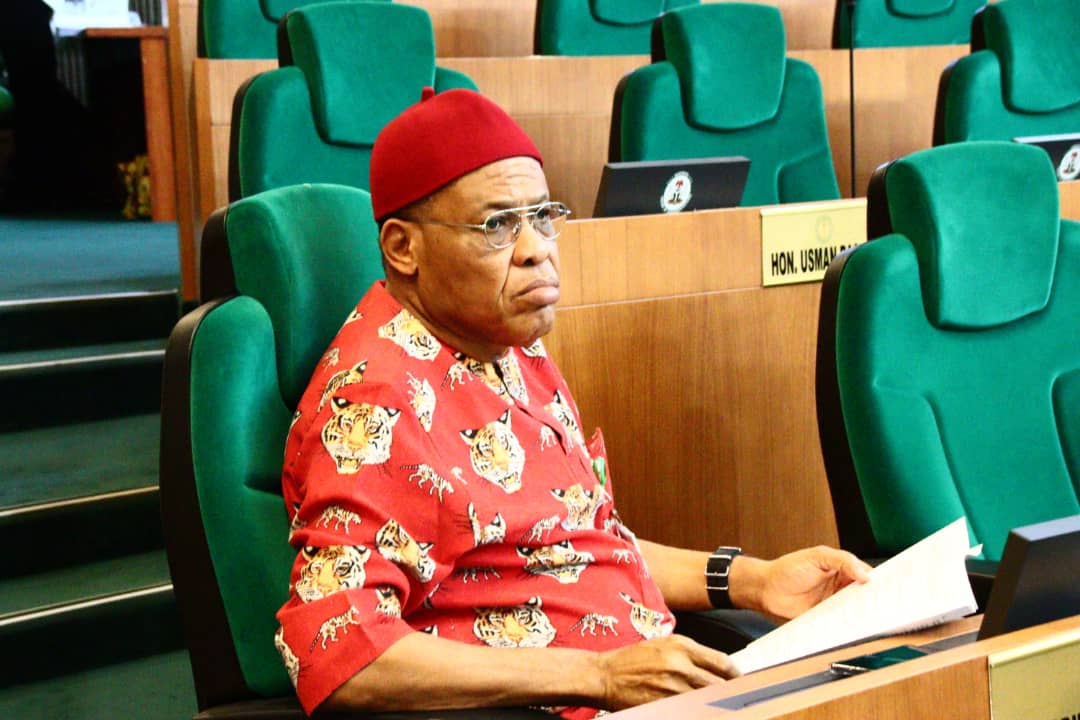
Hon. Obi Aguocha highlights the constitutional power of Southeast lawmakers and warns that regional disunity weakens development, justice, and political influence.
Nigeria’s Constitution grants lawmakers significant authority to shape national policy, protect the interests of their constituents, and influence the political destiny of every region. According to Hon. Obi Aguocha, this constitutional power remains the most valuable instrument available to the Southeast in its quest for equity, development, and political inclusion. However, the region’s capacity to fully exercise this authority depends on one critical factor unity.
The 1999 Constitution clearly empowers the National Assembly to operate independently and without subordination to the executive. Section 4 specifically vests legislative authority in lawmakers, granting them the responsibility to check executive power, fight for justice, and represent the people with courage and conviction. When Southeast legislators understand and embrace this mandate, they can confidently assert regional interests during debates, committee sessions, and oversight activities.
Yet, unlike other regions that have mastered collective strategy, the Southeast has struggled to harness its legislative capacity effectively. Internal fragmentation, political rivalries, and conflicting party agendas have undermined the region’s voice in Abuja. The result is a weakened bargaining position during national decision-making and a diminished role in shaping the policies that affect millions of citizens.
Other regions have demonstrated the power of unified legislative action. The North, Southwest, and South-South have each found ways to mobilize lawmakers around shared priorities, ensuring that their demands are not only heard but acted upon. The Southeast, on the other hand, continues to fall behind because its representatives often approach national issues from disconnected and competing positions. When lawmakers fail to articulate unified demands, they make it easy for the system to ignore them.
The consequences of this disunity are visible across the region. Delayed infrastructure projects, sparse federal investments, limited appointments into strategic positions, and unresolved security challenges are not the result of constitutional weakness, but institutional underutilization. Southeast lawmakers possess the constitutional authority to change these realities but fragmented leadership has muted their influence.
Unity, Hon. Aguocha argues, does not require uniformity of political affiliation. Rather, it demands consensus on core priorities such as security, infrastructure renewal, regional inclusion, and constitutional restructuring. When lawmakers prioritize citizens over political sponsors, the region gains leverage. When they speak with one voice, the nation pays attention.
The future of the Southeast hinges on its ability to reorganize its legislative strategy. Unity is not merely desirable it is indispensable. Without it, the region will continue to pay the heavy cost of disunity in a political environment that rewards cohesion, strategy, and collective bargaining.
ALSO READ: BREAKING: Nasarawa Night Crusade Turns Chaotic as Worshippers Scatter [VIDEO]
If Southeast lawmakers embrace collaboration, consensus-building, and assertive representation, their constitutional power can transform the region. If they remain fractured, the region will continue to lose opportunities in a country where only united voices win.