


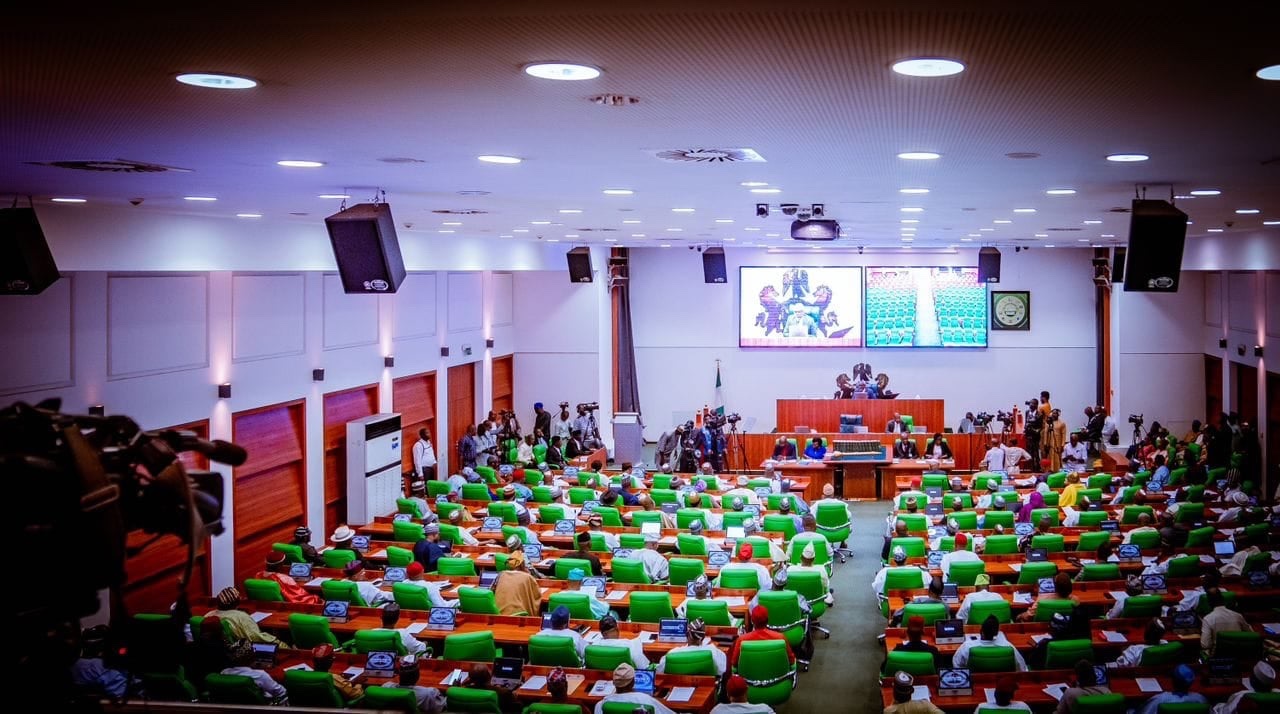
House of Reps begins probe into ₦20 trillion abandoned Federal Government properties to recover assets, boost revenue, and promote accountability.
The House of Representatives has inaugurated an ad-hoc committee to investigate Federal Government-owned abandoned properties across the country, which are reportedly valued at over ₦20 trillion.
This development comes as part of the lawmakers’ renewed commitment to addressing wastage, inefficiency, and poor asset management in the public sector. The House noted that several of these properties, scattered across Nigeria and beyond, have been left unused or neglected for years, despite their enormous economic potential.
A Move to Recover National Assets
While inaugurating the committee, the Speaker of the House emphasized the urgent need to recover, repurpose, or sell off abandoned public assets to boost Nigeria’s revenue base. According to him, the value of these neglected properties represents a significant portion of the country’s potential wealth one that could be channeled into funding infrastructure, education, healthcare, and other critical sectors.
Lawmakers expressed concern that government-owned buildings, lands, and other valuable assets in prime locations such as Abuja, Lagos, Port Harcourt, and Kaduna have either fallen into disrepair or been illegally occupied by individuals and organizations. Some properties, they added, have even been taken over without proper documentation or government authorization.
Investigating the Root Causes of Neglect
The ad-hoc committee has been mandated to conduct a comprehensive audit to determine the number, locations, and conditions of all Federal Government properties that have been abandoned over the years.
It will also identify the ministries, departments, and agencies (MDAs) responsible for the management of these assets, and uncover the reasons behind their neglect or misuse.
The committee is expected to recommend actionable steps that could lead to the recovery, rehabilitation, or profitable disposal of such properties. This move, the House believes, could inject trillions of naira back into the economy and strengthen Nigeria’s fiscal stability at a time of growing national debt and dwindling oil revenues.
Lawmakers Call for Accountability and Transparency
Members of the House have stressed that the probe is not a witch-hunt, but a necessary measure to ensure accountability and transparency in the management of national assets. They argued that allowing valuable government properties to deteriorate or remain idle while the nation struggles with budget deficits is economically unjustifiable.
The ad-hoc committee will also engage with relevant stakeholders, including the Federal Ministry of Works and Housing, the Ministry of Finance, the Bureau of Public Enterprises (BPE), and the Office of the Head of the Civil Service, to gather accurate data and coordinate efforts toward asset recovery.
Potential Economic Impact
Experts believe that recovering and repurposing these abandoned assets could create thousands of jobs, stimulate economic growth, and reduce the burden on the federal budget. Revitalizing public properties could also attract local and foreign investments, particularly if some of the assets are converted for public-private partnerships (PPPs) or leased to credible investors.
With Nigeria facing economic challenges, including inflation and limited foreign reserves, the probe represents an opportunity for the government to maximize its existing resources rather than resorting to increased borrowing.
Conclusion
The House of Representatives’ decision to investigate abandoned Federal Government properties worth over ₦20 trillion is a bold step toward ensuring transparency, accountability, and prudent management of public resources.
ALSO READ: BREAKING: Sowore Denied Entry into University of Abuja by School Management [VIDEO]
If the committee’s findings are implemented effectively, Nigeria could recover substantial value from its idle assets, drive national development, and strengthen citizens’ trust in governance.