


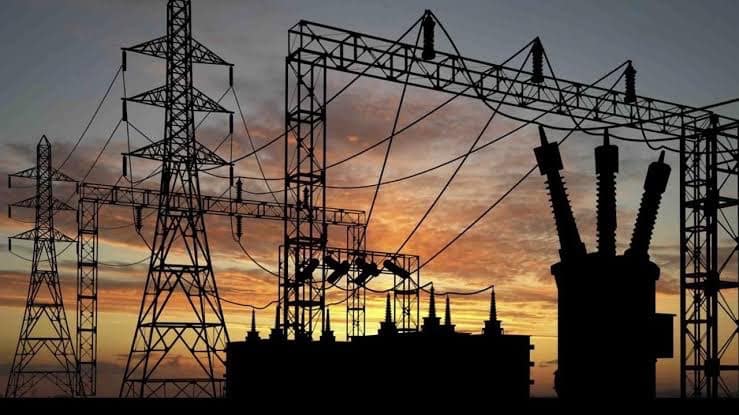
Nigeria’s national electricity grid has suffered another system collapse, plunging large parts of the country into darkness and marking the second such incident in 2026. The latest outage occurred barely days after a similar failure recorded on January 23, raising renewed concerns over the stability of the nation’s power infrastructure.
Real-time operational data from the power sector showed that by about 11:00 a.m., electricity supply to all 11 distribution companies had dropped to zero, indicating a total grid shutdown. The collapse disrupted homes, businesses, and critical services across several states, compounding existing economic and social pressures.
Power restoration efforts began shortly after the incident, with generation gradually returning to the grid. By approximately 3:30 p.m., electricity output had climbed to about 896 megawatts. Despite this progress, some major cities, including parts of Port Harcourt, remained without power hours after restoration commenced, highlighting uneven recovery across regions.
Industry experts continue to point to long-standing structural weaknesses as the root cause of recurring grid failures. Nigeria’s national grid has an installed capacity estimated at about 13,000 megawatts, yet only around 4,500 megawatts is considered reliably available. Aging transmission infrastructure, inadequate maintenance, gas supply constraints, and operational inefficiencies have consistently limited performance.
The latest collapse has sparked widespread reactions online, with many Nigerians expressing frustration and describing the incident as predictable. Social media users questioned the effectiveness of ongoing reforms and investments in the power sector, noting the repeated failures and their impact on businesses, productivity, and daily life.
ALSO READ: Opposition Lawmaker Hon. Lewis Obianyi Leads Major Ukwa East Political Stakeholders to Labour Party
As grid collapses become more frequent, stakeholders are calling for urgent and sustained interventions, including infrastructure upgrades, improved gas supply arrangements, and stronger system management. Without decisive action, analysts warn that recurring power outages will continue to undermine economic growth and public confidence in Nigeria’s electricity sector.