


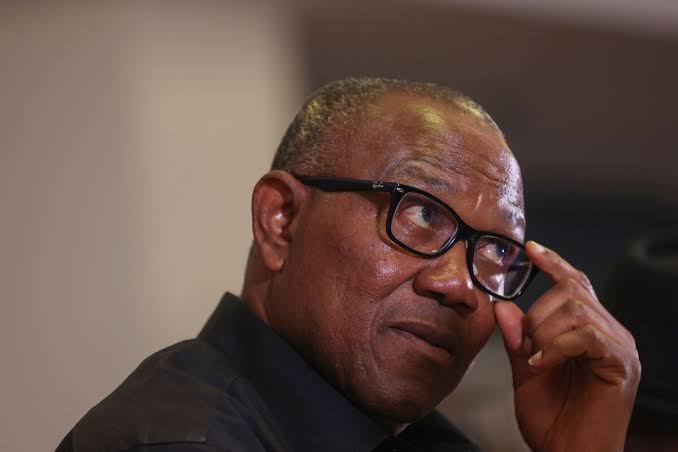
Former presidential candidate and Labour Party leader, Peter Obi, has declared that Nigeria is not a poor country, insisting that the nation’s widespread poverty is the result of leadership failure and prolonged mismanagement of resources rather than a lack of wealth.
According to Obi, Nigeria is abundantly endowed with natural and human resources that should place it among the world’s prosperous nations. He extended this argument to the wider continent, stating that Africa is also not poor, but has suffered from decades of extractive governance, corruption, and misplaced priorities.
Obi described Nigeria’s current status as the “capital of poverty” as deeply ironic, given its vast oil reserves, fertile land, solid minerals, and youthful population. He argued that persistent poverty reflects a breakdown in governance, accountability, and economic planning.
Call for Justice for the Niger Delta
In his remarks, Peter Obi singled out the Niger Delta region, stressing that it deserves a formal apology for years of neglect, environmental degradation, and squandered opportunities. He noted that despite being the backbone of Nigeria’s oil wealth, communities in the region continue to face underdevelopment, pollution, and economic hardship.
According to Obi, the failure to translate the Niger Delta’s immense contributions into sustainable development is a national injustice that must be acknowledged and corrected. He emphasized that resource-rich regions should not remain impoverished while their wealth fuels national revenue.
A Push for Responsible Leadership
Obi reaffirmed his long-standing position that good governance, transparency, and prudent management are the keys to lifting Nigeria out of poverty. He urged leaders to shift focus from short-term political gains to long-term investments in education, healthcare, infrastructure, and productive sectors of the economy.
ALSO READ: FG Set to Implement Cashless Payments, Tax Reforms, and New Economic Policies by 2026
He concluded that Nigeria’s poverty is man-made and reversible, insisting that with disciplined leadership and a commitment to fairness, the country can reclaim its rightful place as Africa’s economic powerhouse.