


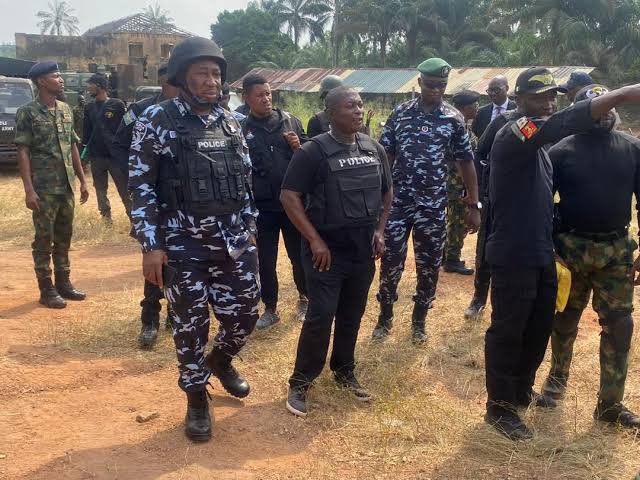
A growing chorus of Nigerians, civil society groups, and alleged victims are demanding the shutdown of the Imo State Police Command’s Anti-Kidnapping Unit, known as Tiger Base, following disturbing allegations of human rights abuses, illegal detentions, and killings.
According to activists and individuals who claim to have been victimized, operatives of the unit routinely engage in torture, extortion, and unlawful executions under the guise of combating kidnapping and terrorism. Anonymous testimonies and graphic images circulating online depict young Nigerians, including recent graduates, allegedly waterboarded and tortured after being falsely labeled as members of the Indigenous People of Biafra (IPOB).
One alleged incident involved the reported death of a detainee, whose family claimed the unit refused to release the body. Some accusers went further, triggering outrage by alleging organ harvesting of victims a claim that has intensified calls for federal intervention and independent investigation.
In response, the Imo State Police Command dismissed the accusations as a smear campaign engineered by criminals seeking to discredit the unit’s operations. Officials maintained that Tiger Base has recorded significant successes in raids, arrests, and intelligence-driven operations targeting kidnapping syndicates.
The police urged individuals with verifiable evidence to present it through official channels, adding that the command has already directed the establishment of a Human Rights Desk to review complaints and ensure accountability.
Human rights organizations, including Amnesty International Nigeria, have signaled plans to probe the allegations. Advocacy groups are also pushing for full audits, forensic investigations, and immediate suspension of the unit, arguing that security operations cannot justify systemic rights violations.
ALSO READ: U.S. Imposes New Visa Restrictions on Alleged Persecutors of Nigerian Christians
With allegations mounting and public pressure intensifying, the controversy has reignited national debates over police reform, extrajudicial killings, and the balance between security and civil liberties in Nigeria.