


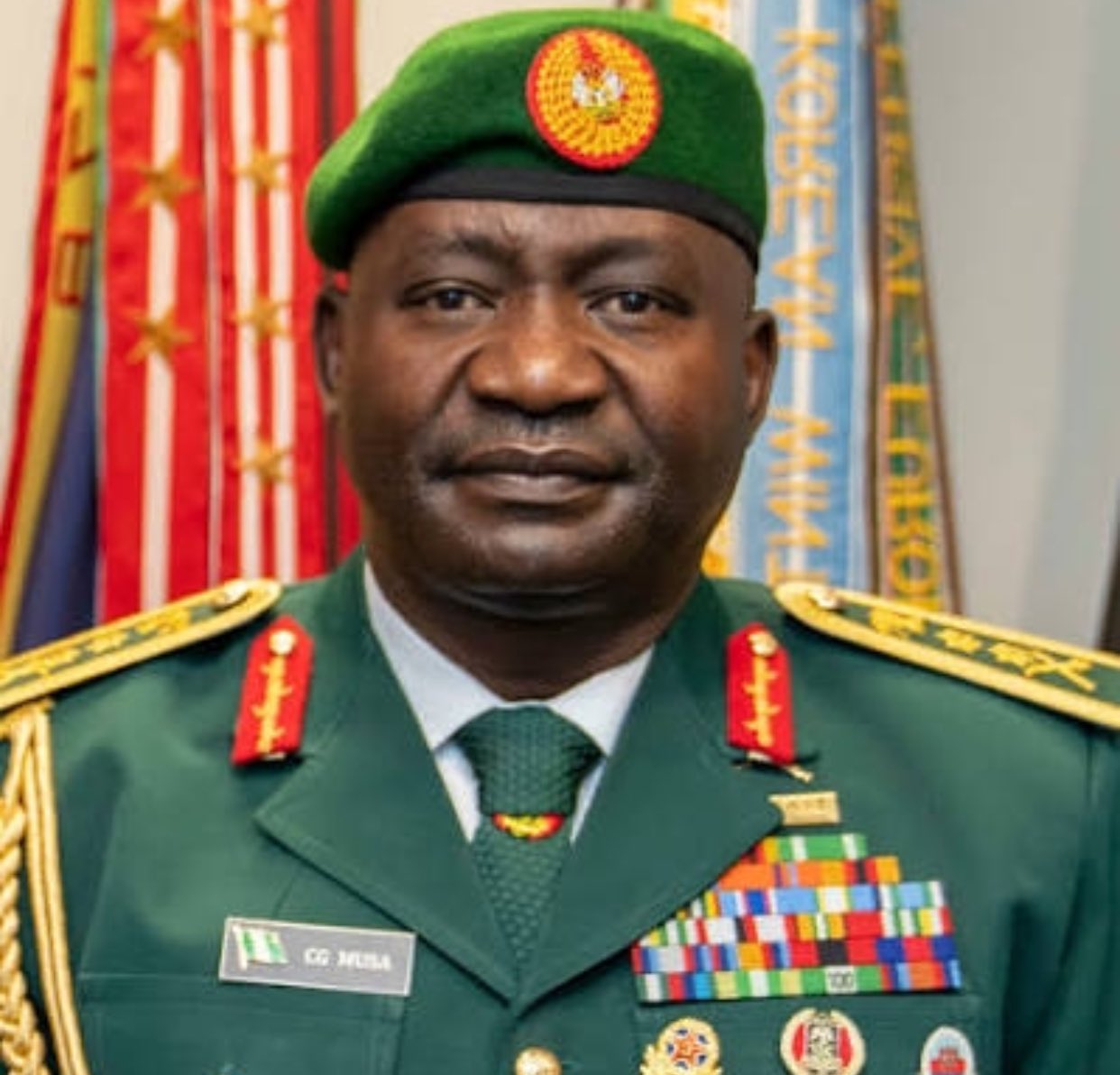
Nigeria’s Minister of Defence, General Christopher Gwabin Musa, has cautioned state governments against entering into peace agreements with bandit groups, warning that such deals often weaken national security efforts rather than resolve insecurity.
Speaking in an interview with BBC Hausa, the defence chief described negotiations between some states and bandits, particularly in parts of the North-West such as Katsina State, as misleading and harmful. According to him, these arrangements give criminal groups false legitimacy and reduce the pressure being applied by security forces to dismantle their operations.
General Musa emphasized that sustained military pressure, not ransom payments or concessions, has been responsible for most successful rescues of kidnapped victims. He expressed concern that ransom payments have continued to fuel criminal activities, revealing that Nigerians reportedly paid about ₦2.23 trillion to kidnappers between May 2023 and April 2024. This figure, he noted, is higher than the nation’s defence budget within the same period, underscoring the economic and security implications of giving in to criminal demands.
The defence minister also appealed directly to local communities, urging them to stop providing food, intelligence, and logistical support to bandits. He explained that such indirect assistance allows criminal groups to survive longer in forests and remote areas, making military operations more difficult and prolonged.
Highlighting recent security gains, Musa referenced coordinated efforts with international partners, including U.S. supported airstrikes targeting bandit enclaves in parts of Sokoto State. He stressed that these successes show the importance of unified action and consistent support for federal security agencies.
ALSO READ: Stop Taking Tea With These Foods, Doctors Warn It May Reduce Nutrient Absorption
In conclusion, the Federal Government reiterated its position that peace deals with bandits are not a sustainable solution. Instead, authorities are calling for nationwide cooperation, community vigilance, and unwavering backing for the armed forces to restore peace and stability across affected regions.