


Senator Abdul Ningi has raised serious concerns about the reported U.S. military strikes on Nigerian soil, questioning why the National Assembly was not consulted before the operation took place. The lawmaker representing Bauchi Central argued that bypassing Nigeria’s legislative arm in decisions affecting national security and sovereignty undermines constitutional governance and could set a dangerous precedent.
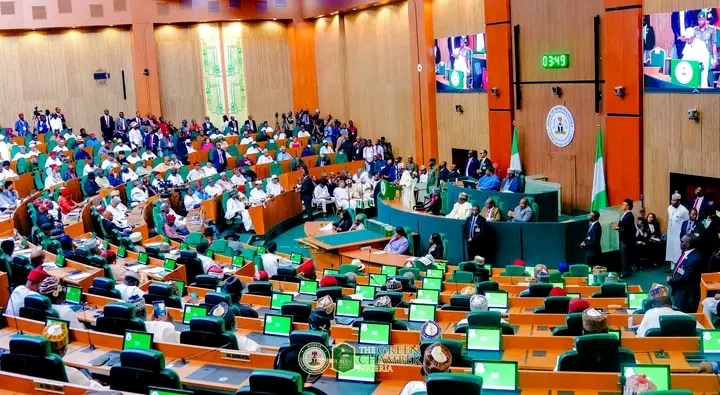
Addressing his colleagues during plenary, Ningi described the airstrikes as a potential infringement on Nigeria’s territorial integrity. He emphasized that Nigeria’s constitution and legal framework give the National Assembly an important role in matters of peace, security, and foreign military engagement. According to him, excluding lawmakers from prior briefings or approval processes risks weakening democratic oversight and accountability.
Ningi warned that if Nigeria allows this sort of unilateral decision-making to continue, it could invite similar actions from other powerful military forces around the world. He argued that the United States is not the only influential army on the global stage; other nations such as Russia, members of the United Nations, Germany, and France also possess significant military capabilities and might act without proper consultation, potentially creating diplomatic tensions or sovereignty concerns. By sidelining the legislature in decisions about foreign military activities, he believes Nigeria could unintentionally weaken its own constitutional safeguards.
The Senate President, Godswill Akpabio, responded by noting that the matter involves sensitive security details and that a closed-door briefing with lawmakers is being arranged. He explained that discussions on national security should not occur in open plenary for reasons of confidentiality. The delayed briefing, Akpabio said, would provide senators with fuller context on the strike, Nigeria’s role in it, and how legislative interests were considered.
ALSO READ: House of Reps Commends Gov. Alex Otti’s Landmark Achievements in Healthcare
The controversy underscores broader public and political debate over foreign military involvement in Nigeria’s fight against terrorism. Critics argue that cooperation with international partners is important for tackling violent extremism, but many insist that such engagement must be transparent, constitutionally grounded, and respectful of Nigeria’s sovereign institutions. As this issue continues to unfold, calls for clearer roles, responsibilities, and oversight between the executive and legislative branches are gaining traction.