


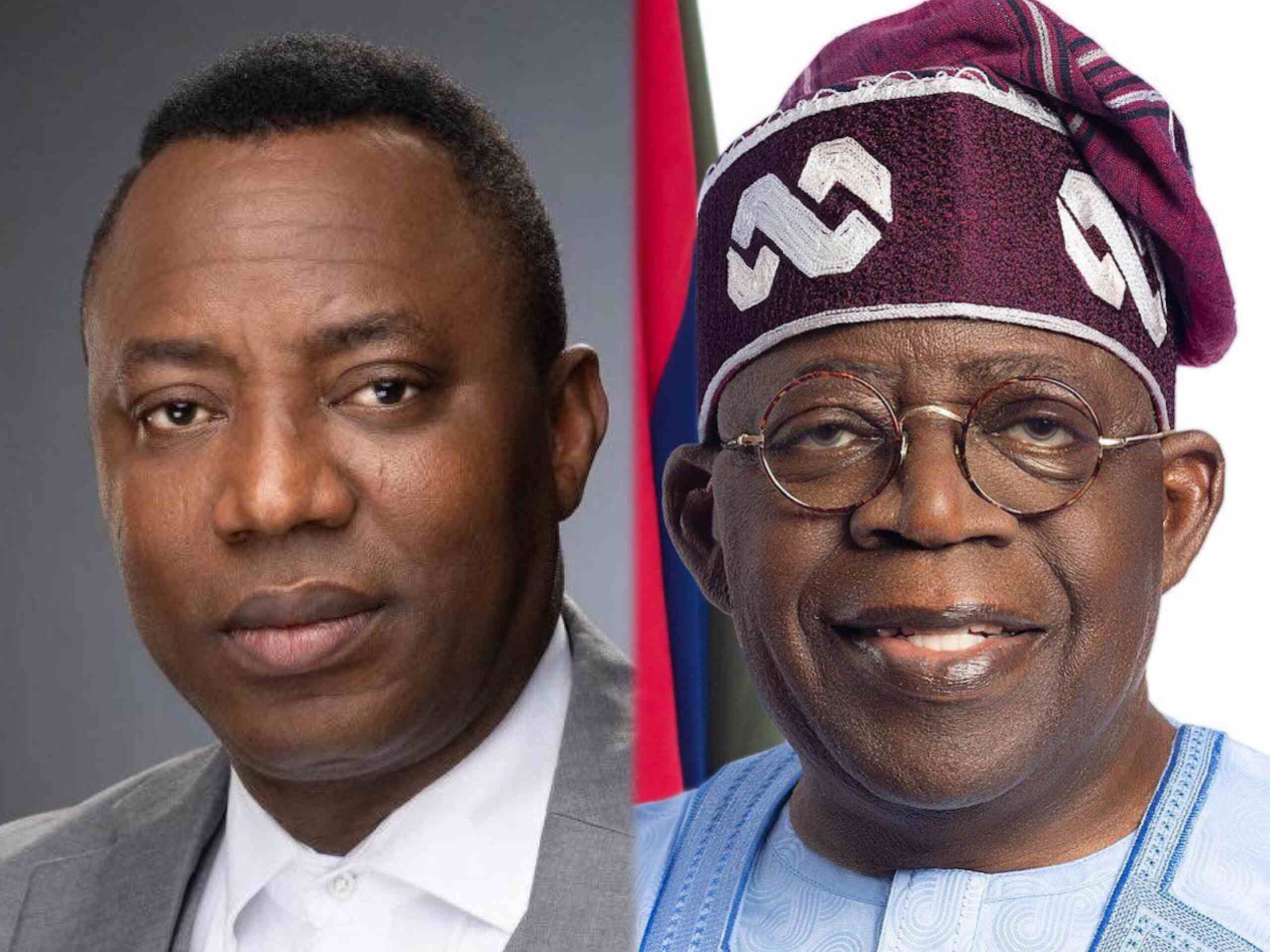
Sowore faces trial in Abuja for alleged defamation of President Tinubu, igniting nationwide debates on free speech, cyberstalking laws, and digital rights.
Human rights activist and former presidential candidate, Omoyele Sowore, appeared before a court in Abuja on Tuesday to face charges filed by Nigeria’s Department of State Services (DSS) over online posts describing President Bola Ahmed Tinubu as a “criminal.”
Sowore, publisher of the investigative news platform Sahara Reporters, was charged in September with cyberstalking, defamation, and the dissemination of false information. The charges stem from social media statements he made in late August, which authorities claim were unsubstantiated and damaging to the reputation of the president.
The case has triggered a fierce divide among Nigerians. Supporters of Sowore, particularly members of the Take It Back Movement and legal advocate Aloy Ejimakor, maintain that the charges represent an attempt to silence dissenting voices and suppress political criticism. They argue that the allegations against Sowore are politically motivated, describing them as an escalating threat to freedom of expression in the digital era.
However, others insist that online speech cannot be exempt from legal scrutiny, especially when it involves serious accusations against public officials without verifiable evidence. They argue that while criticism of government is legitimate, defamation must not be tolerated when it crosses into falsehood or character assassination.
Tuesday’s court appearance follows previous unsuccessful attempts by security agencies to secure arrest warrants against Sowore. His case continues to draw intense media attention, with civil society groups framing the proceedings as a critical test of Nigeria’s capacity to protect democratic freedoms while maintaining accountability online.
ALSO READ: VIDEO: Tension in Kano as Residents Demand Instant Justice After Arrest of Alleged Kidnappers
As the legal battle unfolds, it sheds light on the country’s broader struggle to balance political speech, digital activism, and the regulation of online platforms. The outcome of the trial will likely shape ongoing conversations around civil liberties, media rights, and the boundaries of criticism in Nigeria’s evolving political landscape.