


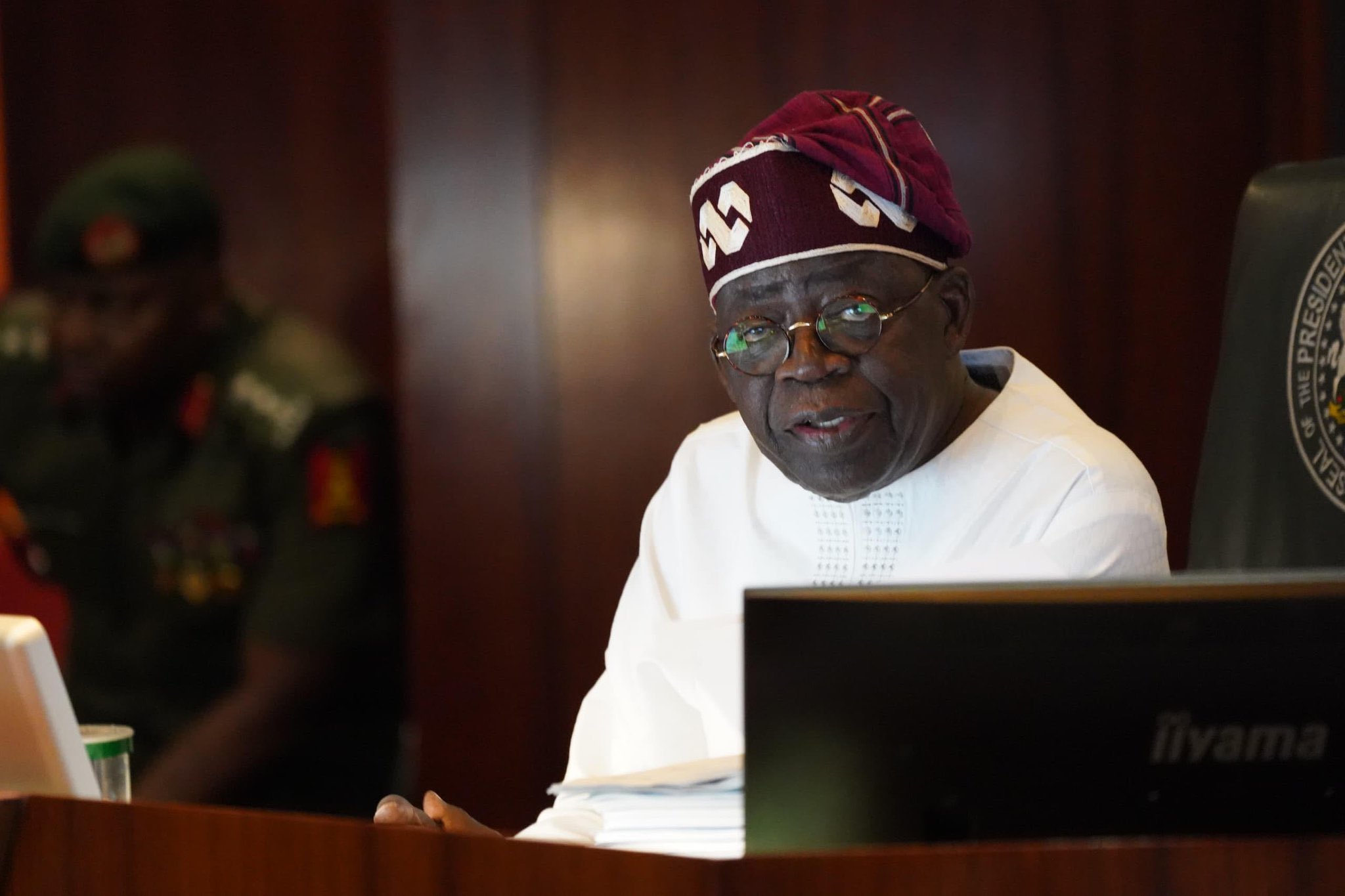
President Bola Ahmed Tinubu has approved a significant financial relief package for the Nigerian National Petroleum Company Limited (NNPC Ltd), authorizing the write-off of legacy debts amounting to approximately $1.42 billion and ₦5.57 trillion owed to the Federation Account.
The approval was disclosed in an official document prepared by the Nigerian Upstream Petroleum Regulatory Commission (NUPRC) and presented at the November 2025 Federation Account Allocation Committee (FAAC) meeting. The decision follows extensive reconciliation efforts and recommendations by the Stakeholder Alignment Committee on the Reconciliation of Indebtedness between NNPC Ltd and the Federation.
According to the document, the debt cancellation applies to legacy obligations accumulated up to December 31, 2024. These include liabilities arising from Production Sharing Contracts (PSCs), domestic crude oil supply obligations, repayment and modified carry arrangements, as well as outstanding joint venture and PSC royalty receivables.
The reconciliation process, led by the NUPRC in collaboration with key stakeholders, has already resulted in corresponding accounting adjustments within the Federation Account. This move is expected to clean up long-standing balance sheet issues and improve transparency in fiscal reporting related to Nigeria’s upstream petroleum operations.
However, the approval does not cover newer obligations. Outstanding debts incurred between January and October 2025 remain under review and are currently being monitored for recovery through established mechanisms.
ALSO READ: PETROAN Calls for Privatization of NNPCL’s State-Owned Refineries by Q1 2026
Meanwhile, a separate and long-running dispute concerning alleged under-remittance of $42.37 billion between 2011 and 2017 remains unresolved. NNPC Ltd has continued to reject these claims, maintaining that all revenues during the period were fully remitted and properly accounted for.
The debt write-off marks a major fiscal reset for NNPC Ltd and signals the Tinubu administration’s broader effort to resolve legacy financial issues within Nigeria’s oil and gas sector while strengthening governance and accountability going forward.