


India and other countries reportedly decline Nigeria’s newly appointed ambassadors over policies restricting envoys from governments nearing the end of their term.
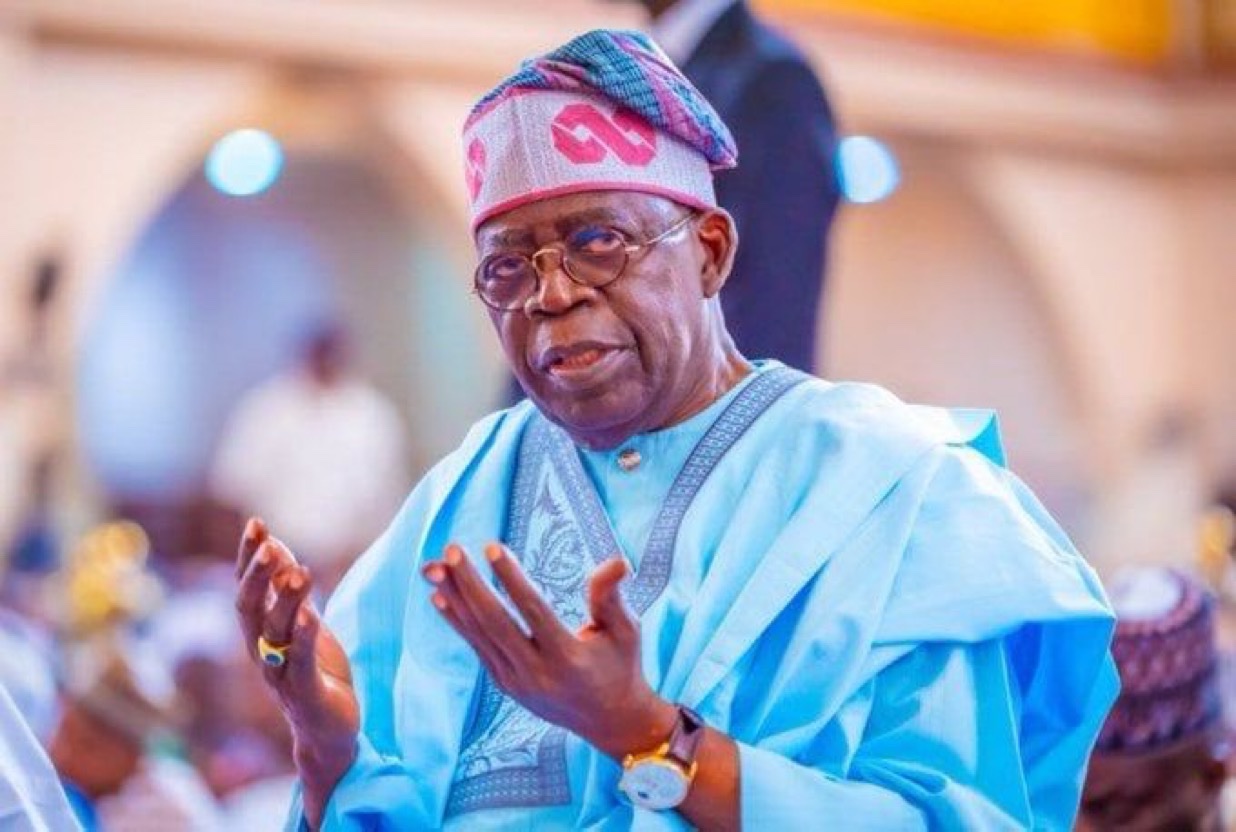
Several countries, including India, are reportedly reluctant to accept some of Nigeria’s newly appointed ambassadors following recent diplomatic postings by President Bola Ahmed Tinubu. The situation has sparked discussions within diplomatic circles about international policies that guide the acceptance of foreign envoys.
According to multiple reports, the hesitation from host nations is largely tied to internal diplomatic policies that discourage accepting ambassadors from governments approaching the end of their tenure. In many countries, ambassadors are expected to serve long enough to build stable diplomatic relationships and implement bilateral policies effectively.
India is among the countries most prominently linked to this development.
Reports indicate that the government of India maintains a long-standing policy of not accepting ambassadors from administrations that have less than two years remaining in office. Since President Tinubu’s current term is expected to end after Nigeria’s general elections in February 2027, some host countries are concerned that the envoys may serve only briefly before being replaced by a new administration.
One of the affected nominations reportedly involves career diplomat Muhammad Saidu Dahiru, who was designated to serve as Nigeria’s ambassador to New Delhi.
However, the Indian government is said to have raised concerns due to its diplomatic guidelines regarding ambassadorial tenure.
Despite these concerns, Nigerian officials are believed to be exploring diplomatic channels to resolve the matter. Nigeria and India share strong economic and political ties, and authorities hope that ongoing discussions may lead to a favorable outcome.
The issue has also highlighted a broader diplomatic challenge following Nigeria’s earlier decision to recall all its ambassadors in 2023. Since then, many Nigerian missions abroad have operated without substantive heads of mission for an extended period. The recent nomination of about 65 ambassadors in early 2026 came after this lengthy gap, raising questions about how long the envoys would realistically remain in their posts.
Among the newly nominated ambassadors are several high-profile political figures, including Femi Fani‑Kayode, reportedly designated to Germany, and Reno Omokri, said to be posted to Mexico.
Diplomatic experts also note that under the rules of the Vienna Convention on Diplomatic Relations, host countries have the right to approve or reject ambassadorial nominees through a process known as “agrément.” Importantly, countries are not required to publicly explain their reasons for declining a nominee.
Some analysts argue that announcing ambassadorial postings before receiving official approval from host countries can sometimes lead to diplomatic embarrassment if those nominees are later rejected. The situation surrounding Nigeria’s recent appointments has therefore renewed debate about the timing and strategy of diplomatic nominations.
ALSO READ: Abia State Begins Payment of Outstanding Salaries to Verified Former Councillors (1999–2022)
As discussions continue, Nigerian authorities are expected to engage with partner countries to resolve the concerns and ensure that the country’s diplomatic missions abroad are fully staffed and operational.