

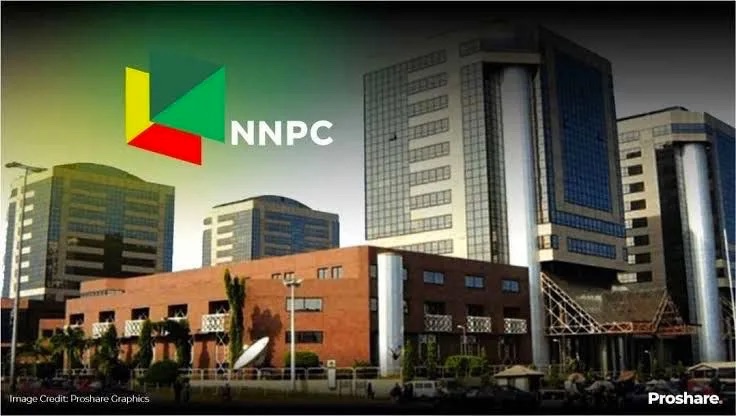
NNPC accuses Dangote Refinery of attempting to restrict fuel market competition by challenging import licences issued to rival marketers.
The Nigerian National Petroleum Company Limited has accused Dangote Petroleum Refinery of attempting to limit competition in Nigeria’s downstream petroleum sector by challenging import licences granted to other fuel marketers.
According to reports by Reuters, the dispute centers on efforts by Dangote Refinery to contest the continued issuance of fuel import permits to rival marketers, despite the refinery’s growing production capacity. NNPC argues that restricting these licences could create a monopoly-like environment in the country’s fuel market.
The development comes at a crucial time for Nigeria’s energy sector as the Dangote Refinery continues to ramp up operations and increase local refining output. Industry stakeholders have expressed mixed reactions, with some supporting policies that encourage local refining while others warn against eliminating healthy competition among petroleum suppliers.
NNPC maintained that allowing multiple marketers to import petroleum products remains important for maintaining market balance, price stability, and uninterrupted fuel supply across the country. The company reportedly warned that limiting access to import licences could expose Nigerians to supply disruptions and reduced pricing competition.
On the other hand, supporters of the Dangote Refinery argue that prioritizing locally refined petroleum products could help Nigeria reduce dependence on fuel imports, conserve foreign exchange, and strengthen the nation’s refining industry.
The disagreement highlights the ongoing debate over how Nigeria should manage its petroleum market after decades of heavy reliance on imported fuel. Analysts believe the outcome of the dispute could significantly influence fuel pricing, competition, and investment in the country’s oil and gas sector in the coming years.
ALSO READ: VIDEO: Victor Umeh Opens Up on Why Peter Obi Left ADC, Speaks on “Transactional Politics”
As discussions continue, many Nigerians and industry observers are closely monitoring how regulators and key stakeholders will balance local production interests with the need for an open and competitive market.

