

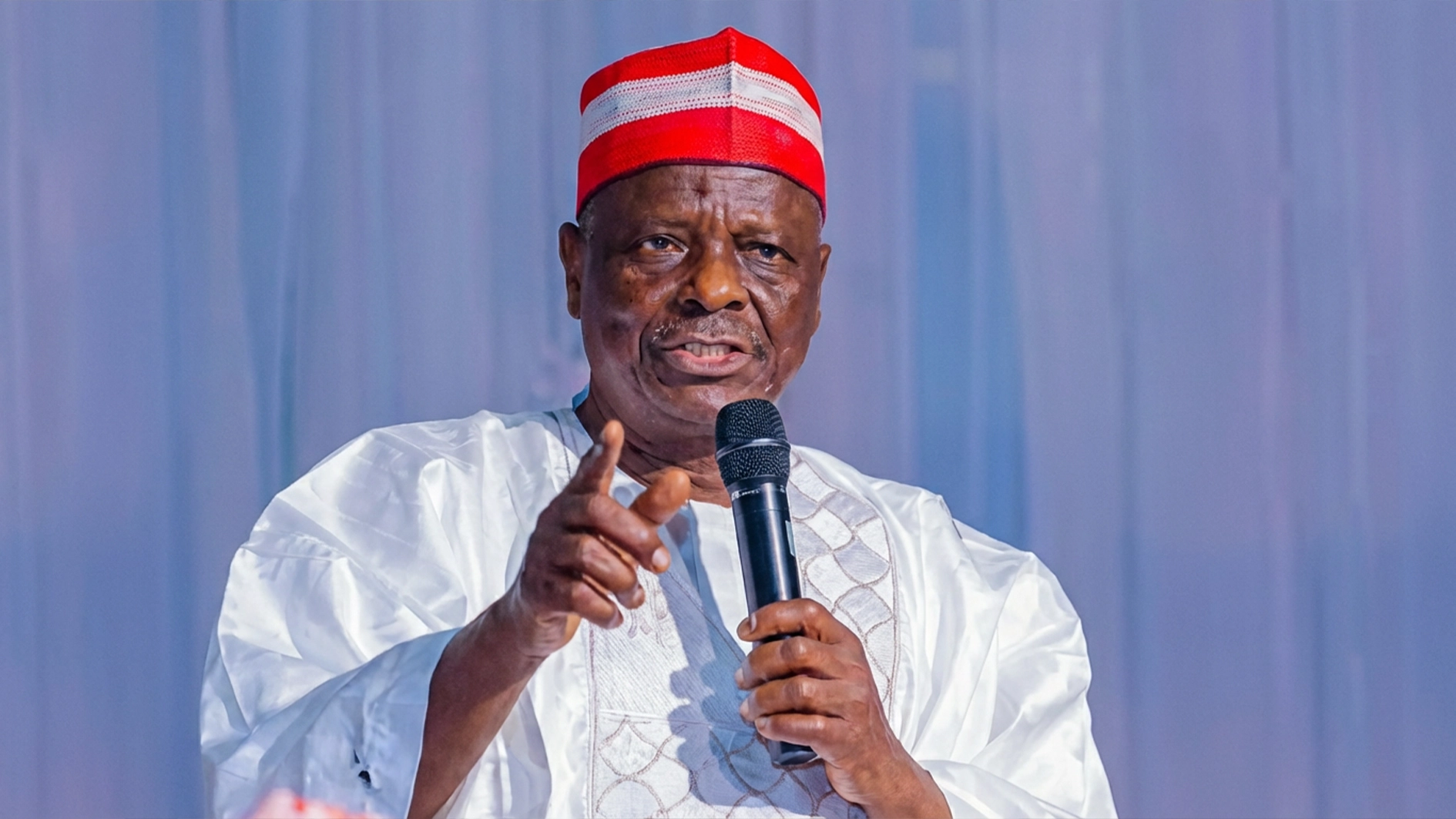
Former Kano State Governor and prominent opposition figure Rabiu Musa Kwankwaso has expressed confidence that Peter Obi would honour an agreement to serve only one four-year term if elected president, while also advocating dialogue with terrorists and other criminal groups as part of efforts to restore peace in Nigeria.
Speaking during an interview, Kwankwaso was asked whether he believed Peter Obi’s public commitment to serve only a single four-year term. In response, he said he had no reason to doubt Obi’s sincerity, adding that their understanding had been formally documented.
According to Kwankwaso, the agreement was captured in writing through two separate documents—one involving their political party and another signed between both leaders. He maintained that, based on his personal knowledge of Obi, he does not believe the former Anambra State governor would go back on the commitment.
The discussion also turned to Nigeria’s worsening security challenges. Kwankwaso suggested that meaningful engagement with all stakeholders, including individuals involved in violent activities, should be considered as part of a broader strategy to address insecurity.
When questioned about whether this approach would involve direct discussions with terrorists, Kwankwaso answered in the affirmative. He explained that dialogue should not be ruled out, stressing that his administration would be willing to communicate with everyone if it could help reduce violence and encourage those involved in criminal activities to abandon their actions.
His comments have sparked fresh conversations over the opposition’s political arrangements ahead of future elections and the best approach to tackling insecurity in Nigeria. While some Nigerians view dialogue as a practical conflict-resolution strategy, others argue that negotiating with terrorist groups remains a highly controversial issue.
ALSO READ: Abia Government to Support 2026 JAMB High Scorer Michael Offorkaile’s Academic Journey
Kwankwaso’s remarks are expected to fuel further public debate on power-sharing agreements, political trust, and the country’s security policies as discussions around the next general election continue.

