

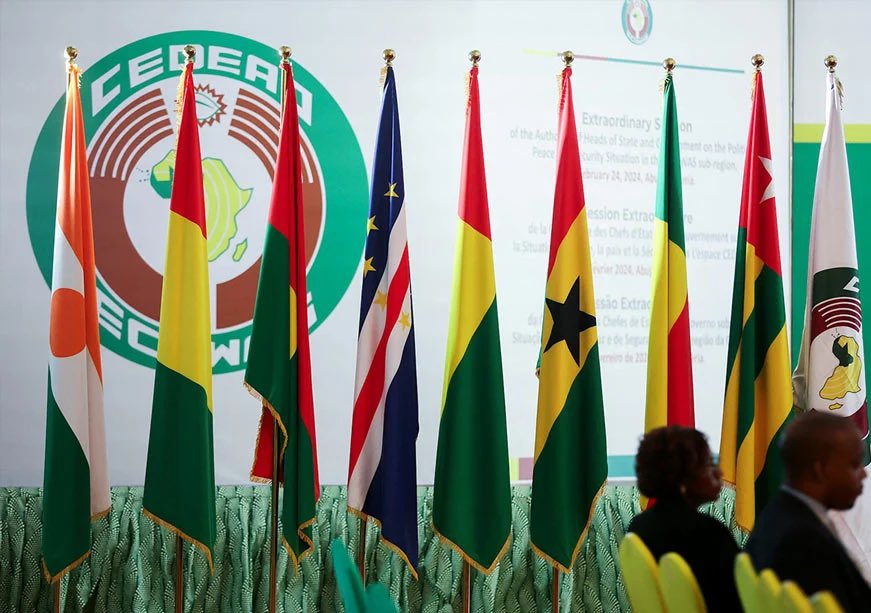
ECOWAS Reaffirms 2027 Launch of ECO Single Currency to Boost West African Trade and Economic Integration
The Economic Community of West African States (ECOWAS) has reaffirmed its commitment to launching the long-awaited ECO single regional currency in 2027, marking a significant milestone in the bloc’s drive toward deeper economic integration, stronger intra-regional trade, and sustainable economic growth across West Africa.
The renewed commitment was announced during the 69th Ordinary Session of the ECOWAS Authority of Heads of State and Government held in Lungi, Sierra Leone. Leaders of the regional bloc described the planned introduction of the ECO as a transformative initiative that will strengthen economic cooperation among member states and create a more competitive regional market.
The ECO is designed to serve as a common currency for qualifying ECOWAS member countries, reducing dependence on multiple national currencies and lowering transaction costs for businesses engaged in cross-border trade. The regional currency is also expected to facilitate the free movement of goods, services, investments, and capital while improving financial stability within the region.
Although the project has faced several delays over the past two decades due to economic convergence challenges, inflation, fiscal deficits, and the COVID-19 pandemic, ECOWAS leaders say substantial progress has been made. Member states are working to meet agreed macroeconomic benchmarks before participating in the first phase of the currency’s rollout, while countries that do not initially qualify are expected to join later.
The regional bloc believes the ECO will promote monetary stability, expand investment opportunities, enhance trade competitiveness, and strengthen West Africa’s position in the global economy. The initiative is widely viewed as one of ECOWAS’ most ambitious integration projects since the organization’s establishment.
For businesses and investors, the adoption of a common currency could simplify cross-border transactions, reduce exchange-rate risks, and encourage greater economic cooperation among the region’s economies. However, experts note that participating countries must continue implementing sound fiscal and monetary policies to ensure the long-term success of the monetary union.
ALSO READ: Hon. Obi Aguocha Leads Opposition to Bill Seeking to Remove INEC’s Powers Over Political Parties
With the 2027 target now reaffirmed, ECOWAS is intensifying efforts to complete the institutional and economic reforms required for the successful launch of the ECO, a development expected to reshape the economic landscape of West Africa in the coming years.

