

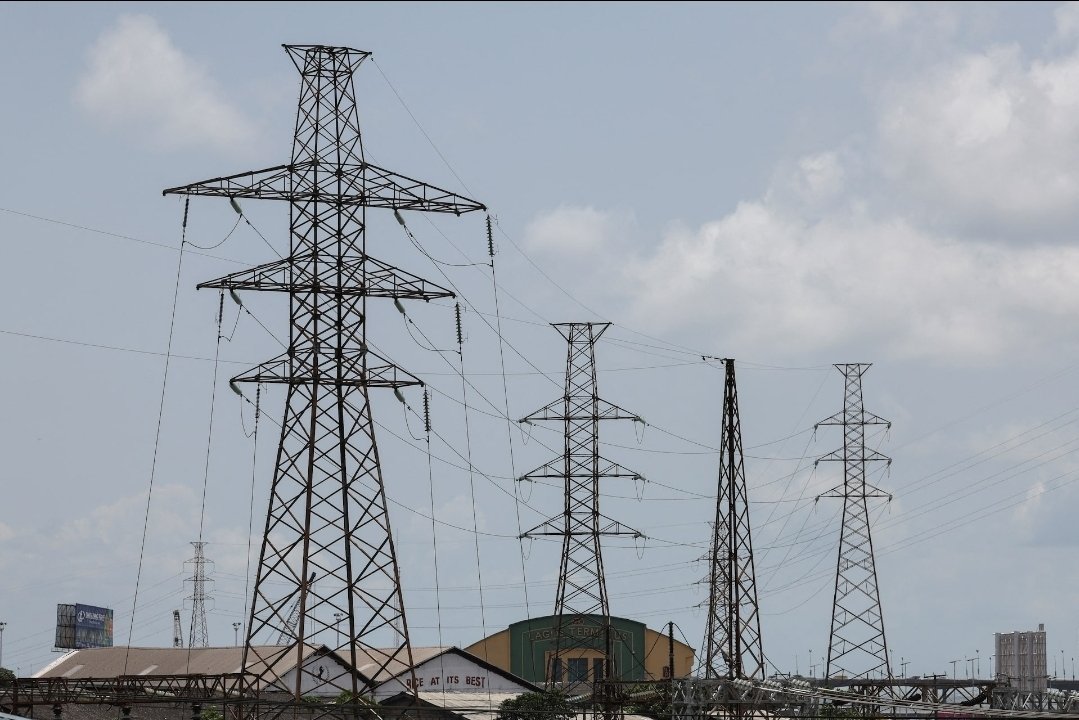
Nigeria has emerged as the country with the largest number of people living without access to electricity, despite years of massive government spending aimed at improving the nation’s power sector.
According to 2025 estimates based on World Bank-linked data and widely shared global energy access reports, approximately 88.1 million Nigerians still lack access to electricity. This places Nigeria ahead of the Democratic Republic of Congo and Ethiopia, making it the country with the highest population without electricity worldwide.
The latest figures have reignited concerns over the effectiveness of investments in Nigeria’s electricity sector. Over the past 13 years, an estimated ₦10 trillion has been committed through various public interventions, reforms, and infrastructure projects designed to expand electricity generation, transmission, and distribution across the country.
Despite these huge investments, Nigeria’s average available electricity generation has remained around 4,500 megawatts (MW), a figure many experts argue is insufficient for a population exceeding 230 million people. The persistent gap between investment and power supply has continued to affect households, businesses, industries, healthcare facilities, and educational institutions nationwide.
While the data shows that more than 120 million Nigerians now have access to electricity, millions remain disconnected from the national grid, particularly in rural and underserved communities where reliable power remains a major challenge.
Globally, access to electricity has improved significantly over the years. Current estimates indicate that nearly 92 percent of the world’s population now enjoys basic electricity services. However, more than 666 million people still live without electricity, with the overwhelming majority residing in Sub-Saharan Africa.
Nigeria’s position at the top of the global rankings has intensified calls for greater accountability, improved implementation of power sector reforms, and accelerated investment in renewable energy, rural electrification, and transmission infrastructure.
ALSO READ: U.S. Makes $20,000 Visa Bond Mandatory for Some Nigerians, Travelers From 49 Other Countries
Energy analysts believe that addressing long-standing challenges such as inadequate generation capacity, weak transmission networks, distribution losses, and poor maintenance will be essential if Nigeria is to achieve universal electricity access and support sustainable economic growth.

