

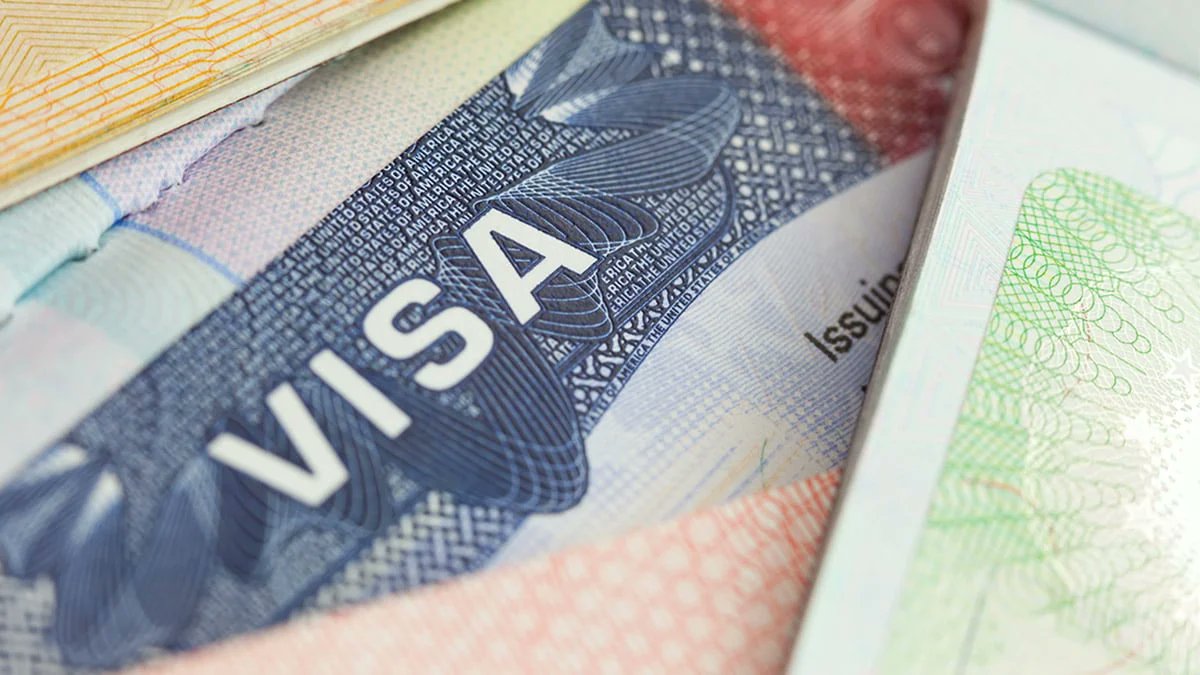
U.S. Makes Visa Bond Programme Permanent, Nigerians and 49 Other Countries May Pay Up to $20,000 Refundable Bond
The United States has officially made its visa bond programme a permanent immigration policy, requiring certain travelers from 50 countries including Nigeria and 29 other African nations to pay a refundable visa bond of up to $20,000 before obtaining specific U.S. visitor visas.
The policy, introduced after a pilot phase, applies to selected applicants seeking B-1 (Business Visitor) and B-2 (Tourist Visitor) visas. U.S. authorities say the programme is designed to reduce visa overstays and improve compliance with immigration regulations.
Under the permanent policy, visa applicants identified as higher-risk cases may be required to deposit a refundable bond before their visas are issued. The amount will be determined on a case-by-case basis and could range up to $20,000, depending on the applicant’s circumstances.
According to the U.S. Department of State, travelers who fully comply with the conditions of their visas including leaving the United States before their authorized stay expires will receive a refund of the bond. However, individuals who violate visa terms or overstay may forfeit the money.
Nigeria is among the 30 African countries affected by the programme, alongside 20 other countries from different regions. U.S. officials explained that the decision to make the initiative permanent follows data gathered during the pilot programme, which suggested that visa bonds could help discourage overstays and strengthen immigration compliance.
The announcement has generated widespread reactions, particularly across Africa. While supporters argue that the policy could encourage adherence to visa rules, critics say the high financial requirement may create an additional barrier for genuine travelers, tourists, students’ families, and business visitors who wish to visit the United States.
Many observers believe the refundable bond could significantly increase the cost of international travel for applicants from affected countries, potentially limiting tourism, business engagements, and family visits.
Despite the concerns, the U.S. government maintains that the programme is intended to protect the integrity of its immigration system while ensuring that temporary visitors comply with the terms of their admission.
ALSO READ: Presidency Counters Atiku’s Criticism, Defends Tinubu’s Economic Reforms with Fresh Data
As implementation continues, prospective applicants are advised to carefully review the specific visa requirements applicable to their cases and ensure they meet all immigration conditions to qualify for a refund of any bond paid.

