

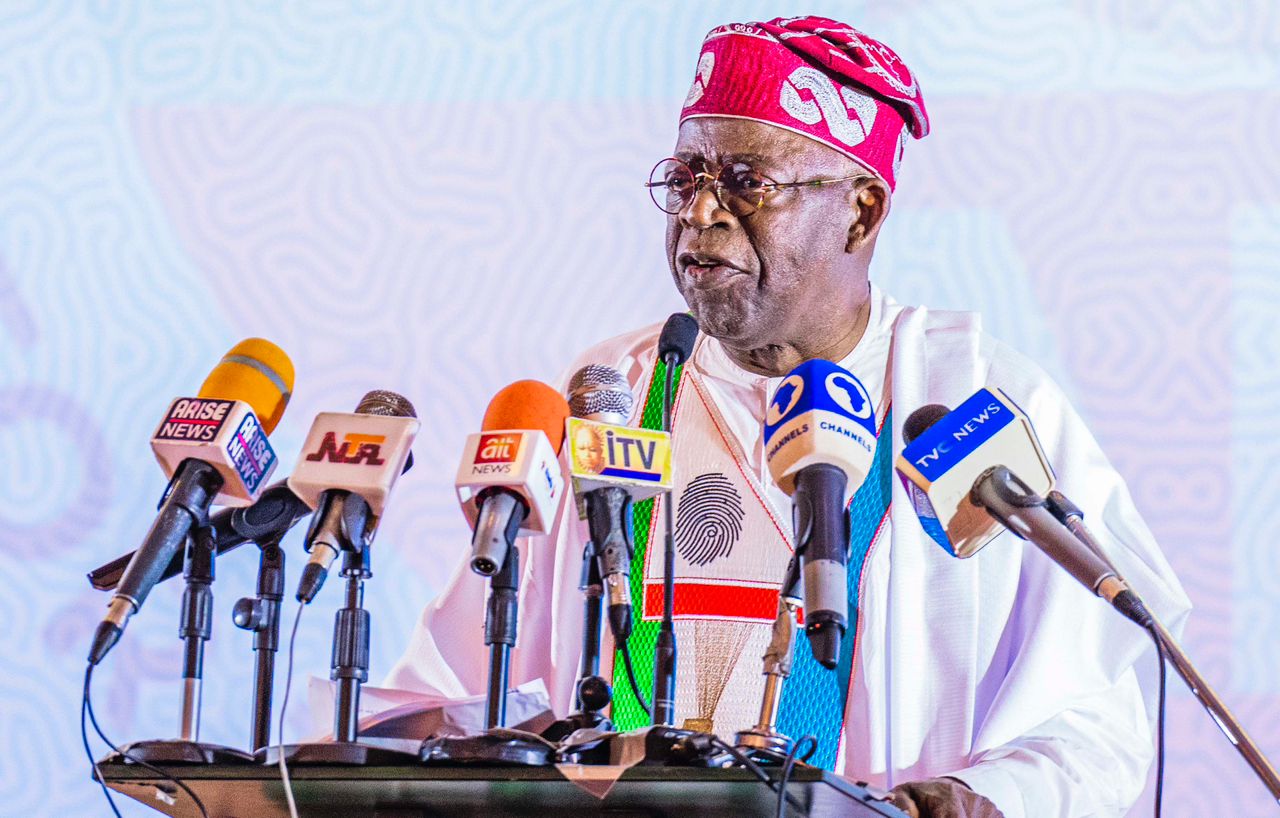
President Bola Ahmed Tinubu and Nigeria’s state governors have agreed on measures aimed at reducing transportation costs across the country, with commuters expected to begin feeling the impact from October 1, 2026.
The initiative is expected to accelerate the adoption of Compressed Natural Gas (CNG) and electric vehicles as alternatives to petrol-powered vehicles. According to the President, lower operating costs from cleaner energy sources should translate into cheaper fares for Nigerians.
Tinubu explained that CNG-powered vehicles can reduce fuel expenses by between 60 and 80 per cent compared with conventional petrol vehicles. He stressed that the savings achieved by transport operators should not be retained entirely as increased profits but should also benefit passengers through reduced fares.
The President disclosed that more than 120,000 vehicles have already been converted to CNG, while the production of over 100,000 additional conversion kits is underway.
To further support the transition, Tinubu directed the deployment of 500 additional CNG refuelling stations across the country. The expansion is expected to bring the planned national network to about 1,000 CNG stations, making access to the alternative fuel easier for motorists and commercial transport operators.
The Federal Government and state governments are also expected to establish a joint committee to coordinate the implementation of the transport cost reduction measures.
Tinubu said the committee would ensure that the benefits of cheaper energy are reflected in the fares paid by commuters, with particular attention to intra-state transportation, which accounts for a significant part of daily movement for many Nigerians.
The planned reduction comes amid continued concerns over the high cost of transportation and its impact on household finances, workers, students, traders and other commuters.
Beyond reducing transport expenses, the government believes wider adoption of CNG and electric vehicles could help reduce dependence on petrol while supporting the transition towards cleaner and more affordable energy.
ALSO READ: Gov. Otti Reveals Date for New ABSU VC, Assures Pensioners’ Next-of-Kin of Payment
If successfully implemented, the October 1 rollout could mark a significant step in efforts by the Federal and state governments to ease transportation costs and ensure that Nigerians directly benefit from the country’s shift towards alternative energy sources.

