

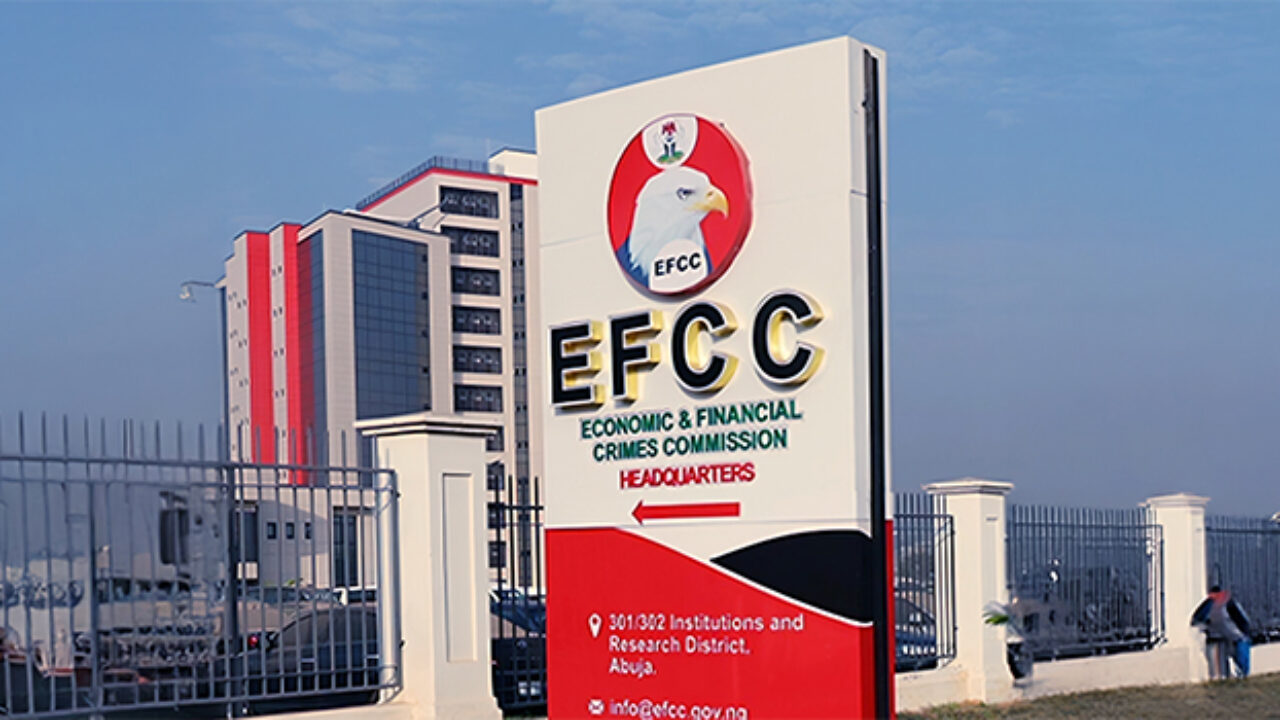
The Economic and Financial Crimes Commission (EFCC) has cautioned religious leaders against diverting tithes, offerings, zakat and other funds entrusted to religious organisations into their personal businesses.
EFCC Chairman, Ola Olukoyede, issued the warning on Wednesday in Abuja during the 2026 Second Council Meeting of the Nigeria Inter-Religious Council (NIREC).
Olukoyede urged churches, mosques and other religious institutions to establish effective regulatory and financial compliance mechanisms to safeguard funds contributed by worshippers and ensure they are used for their intended purposes.
According to the EFCC chairman, religious leaders have a responsibility to maintain a clear separation between the finances of their organisations and their personal resources.
He noted that there was nothing wrong with religious leaders engaging in legitimate businesses or other vocations, but stressed that organisational funds must not be channelled into such private ventures.
Olukoyede said religious leaders should avoid mixing funds belonging to their organisations with personal finances, warning that diverting money paid into a religious organisation for private business purposes constitutes a criminal act.
He said the conduct of religious leaders matters significantly because followers often observe and emulate the behaviour of those they look up to.
The EFCC chairman also called on religious institutions to play a stronger role in Nigeria’s fight against corruption. He noted that while the commission has the statutory responsibility to investigate and prosecute financial crimes, religious communities can contribute to crime prevention by promoting integrity, honesty and responsible attitudes towards wealth.
Olukoyede stressed that faith-based institutions possess considerable influence in shaping the character and values of their members.
He further expressed concern about the tendency of some worship centres to celebrate individuals whose sources of wealth are questionable or cannot be reasonably explained.
According to him, religious institutions should not merely celebrate wealth without considering how it was acquired.
He illustrated his point by referring to a situation where a public servant builds an expensive mosque with resources allegedly far beyond what could be legitimately earned from public service.
Olukoyede questioned the appropriateness of dedicating such a facility, arguing that where wealth is established to have come from criminal proceeds, celebrating the resulting project amounts to celebrating the proceeds of crime.
The EFCC chairman therefore encouraged religious leaders to demonstrate the principles of accountability and integrity they preach to their followers.
He also called for stronger internal controls within churches, mosques and other faith-based organisations to promote transparency in the management of religious funds.
The warning comes as the EFCC continues to emphasise the need for greater accountability and collective action against corruption. Olukoyede maintained that combating financial crime should not be left solely to law enforcement agencies, stressing that religious institutions have an important role to play in preventing corrupt practices and promoting ethical conduct in society.
ALSO READ: 2027 Elections: INEC Chairman Warns Funding Gaps Could Threaten Security and Logistics
For the EFCC, the message is clear: funds entrusted to religious organisations should remain separate from the personal finances and businesses of their leaders, while religious institutions should uphold transparency, accountability and integrity in managing such resources.

