

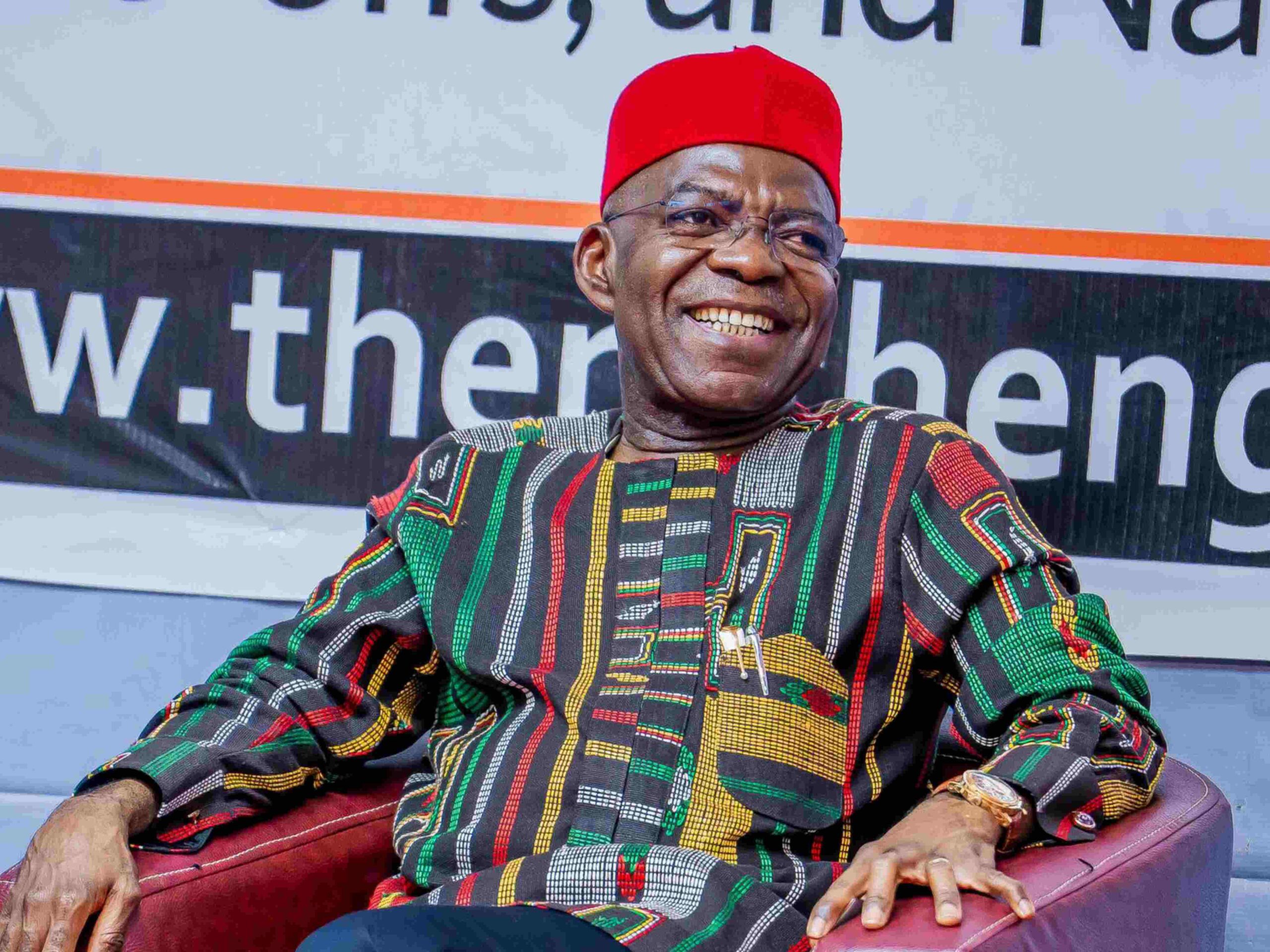
Abia State Governor, Alex Otti, has stressed that the quality of leadership decisions remains a defining factor in shaping economic realities, urging Nigerians to prioritize competence and accountability in governance.
Speaking on Thursday, April 23, at the 5th Annual Lecture Series organized by The Niche, held at the Nigerian Institute of International Affairs in Lagos, the governor highlighted the strong link between political decisions and economic outcomes. The lecture, themed “Governing the Economy: Choices, Trade-offs and National Priorities,” brought together policymakers, scholars, and industry leaders.
Otti noted that Nigeria’s economic challenges are deeply rooted in structural issues that require deliberate and sometimes difficult policy decisions, rather than short-term or emotional responses.
While acknowledging the country’s current difficulties, he maintained that Nigeria’s future remains promising if guided by informed leadership and responsible governance.
According to him, effective economic management cannot be separated from political leadership, as decisions taken at the top directly influence citizens’ daily lives. He emphasized that strong institutions, discipline, and integrity are essential to reversing economic decline and rebuilding public confidence.
The governor also called for increased civic engagement, encouraging citizens to go beyond voting during elections by actively scrutinizing political actors and their policy directions. He warned that public apathy contributes to weak institutions and prolonged economic hardship.
Using Abia State as an example, Otti reflected on the impact of governance choices over time. He recalled that poor leadership decisions in the past led to economic setbacks, weakened institutions, and declining public trust. However, he noted that a shift toward competence-driven governance has begun to restore stability, attract investment, and rebuild confidence in the state.
In his remarks, the Managing Director of Acclaim Publishers and Editor-in-Chief of The Niche, Ikechukwu Amaechi, described the lecture series as a platform aimed at promoting accountability and stimulating national discourse on governance, particularly as Nigeria approaches another election cycle.
The event was chaired by Muhammadu Sanusi II, who underscored the importance of integrity and service in public office. He cautioned against treating governance as a profit-making venture, urging leaders to focus on long-term national development rather than personal gain.
Also speaking, Nnaemeka Alfred Achebe raised concerns about Nigeria’s political structure, advocating reforms that would allow independent candidates to participate in elections. He warned that the increasing monetization of politics risks undermining governance and called for a shift toward issue-based leadership.
A panel session moderated by Anthony Kila featured experts including Ano Anyanwu, Jumoke Ogunleye, and Joe Ajaero. The panelists emphasized the importance of measurable outcomes in governance, noting that leadership should be evaluated based on tangible results rather than promises.
In a goodwill message, Ike Nwachukwu commended the ongoing reforms in Abia State and urged citizens to support sustained good governance, stressing that continuity is key to consolidating development gains.
The lecture attracted notable personalities from across politics, academia, and industry, reinforcing its role as a significant forum for national reflection on governance, leadership responsibility, and economic policy direction.

