

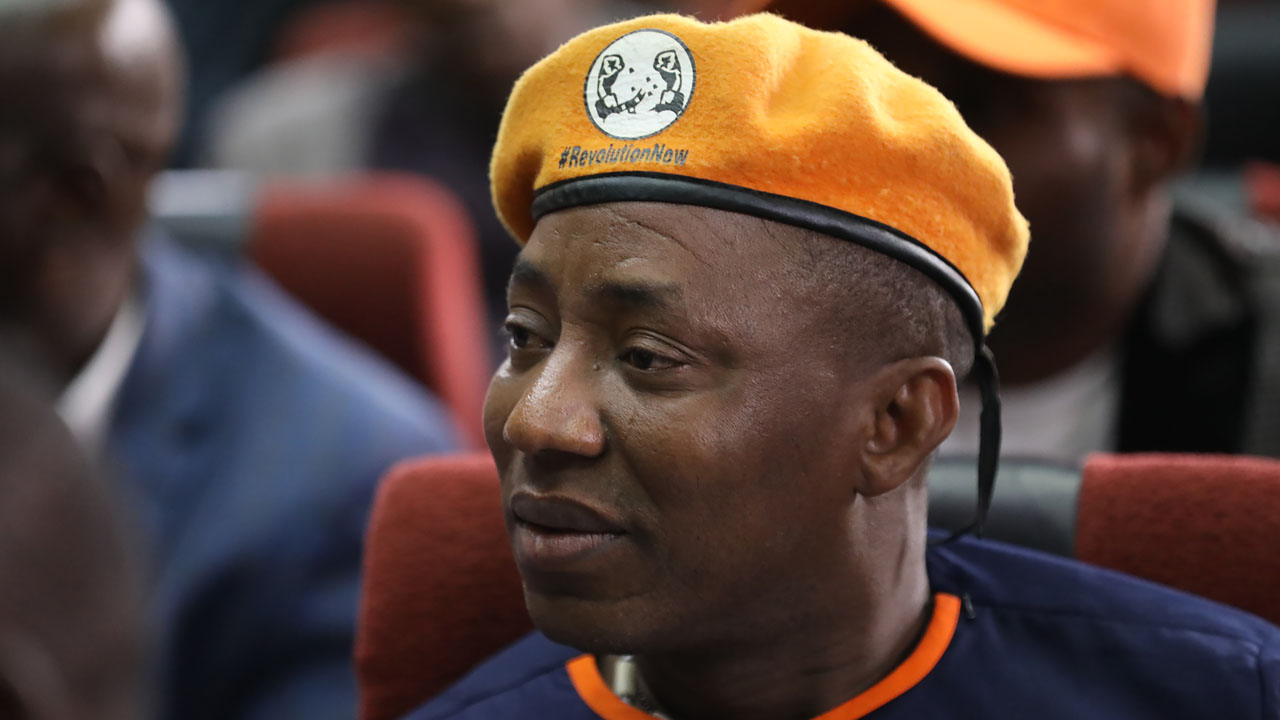
Federal High Court Orders Arrest of Omoyele Sowore Over Failure to Attend Cybercrime Trial
The Federal High Court in Abuja has ordered the arrest of activist, publisher, and former presidential candidate of the African Action Congress (AAC), Omoyele Sowore, after he failed to appear in court for the continuation of his cybercrime trial.
The order was issued by Justice Mohammed Umar during proceedings held on Tuesday after Sowore and his legal representative were absent without prior notice. The court also revoked the bail previously granted to the activist and issued a bench warrant to compel his appearance before the court.
Sowore is currently facing a two-count charge filed by the Department of State Services (DSS) over a social media post in which he allegedly described President Bola Ahmed Tinubu as a “criminal.” Prosecutors argue that the publication violated provisions of Nigeria’s Cybercrimes Act and was capable of causing public disorder.
The activist had earlier opted to defend himself after his legal team withdrew from the case. During previous hearings, the court had warned that failure to attend proceedings could lead to severe consequences, including the revocation of his bail and the issuance of an arrest warrant.
Justice Umar noted that the trial had already progressed to the defence stage and stressed the need for the matter to proceed without unnecessary delays. The court maintained that all defendants are obligated to respect judicial processes and attend scheduled hearings.
The case has attracted widespread public attention due to Sowore’s profile as a prominent activist, publisher, and former presidential candidate. Supporters have described the proceedings as politically sensitive, while authorities insist the matter is strictly a legal issue concerning alleged violations of cybercrime laws.
ALSO READ: PHOTOS: Three Shops Swallowed by Erosion as Umuahia Community Cries for Help
No new date for Sowore’s appearance was immediately announced following the issuance of the arrest order. Security agencies are expected to enforce the court’s directive and ensure his presence at subsequent proceedings.

