

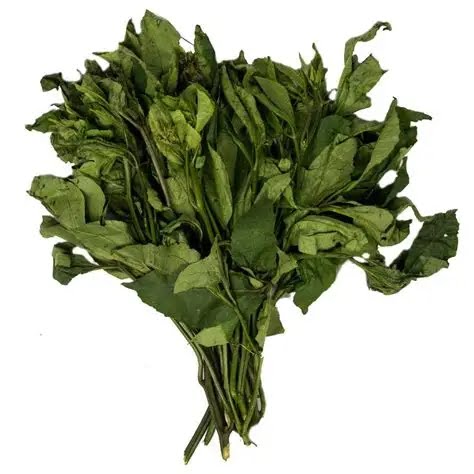
Nutrition experts have cautioned Nigerians against allowing vegetables to be sliced in open markets before they are properly washed, warning that the practice may increase the risk of contamination and contribute to unnecessary nutrient loss.
The experts said vegetables displayed in open markets can come into contact with dust, contaminated surfaces, unclean hands and other potential sources of harmful microorganisms. They therefore advised consumers to purchase vegetables whole, take them home, wash them thoroughly and only then cut them for cooking or consumption.
The warning comes amid growing concerns about food safety and hygiene. According to the World Health Organisation (WHO), contaminated food can contain bacteria, viruses, parasites or harmful chemicals capable of causing more than 200 diseases, ranging from diarrhoeal illnesses to some forms of cancer.
The WHO reported in June 2026 that unsafe food is associated with approximately 866 million illnesses and 1.5 million deaths globally every year. Young children, particularly those under five, are among the groups considered most vulnerable to the effects of unsafe food.
Speaking on the issue, Olusola Malomo, a registered dietician-nutritionist and Assistant Director of Dietetics at the Lagos State Health Service Commission, described the practice of cutting vegetables in open markets before washing them as unhygienic.
Malomo explained that open-market environments may not provide the level of cleanliness required for food preparation. According to him, slicing vegetables before washing exposes their inner surfaces to contaminants and may make subsequent handling more problematic.
He also noted that washing vegetables after they have been cut could contribute to the loss of certain water-soluble nutrients because a larger surface area becomes exposed to water.
Beyond microorganisms, Malomo warned that vegetables may carry residues from agricultural chemicals, including fertilisers, insecticides and pesticides, depending on how they were cultivated and handled.
He added that the act of slicing vegetables in an unhygienic environment could introduce bacteria and other microorganisms, particularly when sellers do not have access to clean water, sanitary equipment or proper food-handling facilities.
Another registered dietician-nutritionist, Nwabumma Asouzu, stressed that raw vegetables can become contaminated at different stages, from harvesting and transportation to market display and handling.
She identified possible contaminants as dirt, sand, small stones, insects, parasites and faecal matter, while warning that harmful foodborne pathogens such as Salmonella, E. coli, Cryptosporidium and Listeria may also pose risks when produce is poorly handled.
Asouzu advised consumers to treat fresh vegetables carefully throughout the process, from purchase to preparation.
She further explained that cutting and improper handling could contribute to the reduction of certain nutrients, including vitamin C (ascorbic acid), some B vitamins and folate.
To minimise the risk of contamination, she recommended washing vegetables thoroughly under clean running water before cutting them. Firm-skinned vegetables can also be gently rubbed or scrubbed with a clean vegetable brush while being rinsed.
However, she cautioned consumers against washing fresh produce with detergents or bleach, as such substances are not appropriate for cleaning food and may create additional health risks.
The nutritionist also advised households to keep fresh vegetables separate from household chemicals and raw foods such as meat, poultry and seafood to prevent cross-contamination.
Consumers were equally advised to remove and discard bruised or damaged sections of vegetables before preparation and, where possible, avoid purchasing produce that is already significantly damaged.
The experts ultimately urged Nigerians to adopt safer food-handling habits by avoiding the practice of having vegetables sliced in open markets. Instead, consumers should take the vegetables home, wash them properly with clean water and prepare them in a hygienic environment.
ALSO READ: Atiku Challenges FBI Secrecy Over Tinubu Records, Links Withholding to Nigerians’ Hardship
Simple precautions such as these can help reduce exposure to foodborne contaminants while also supporting better preservation of the nutritional value of fresh vegetables.

