

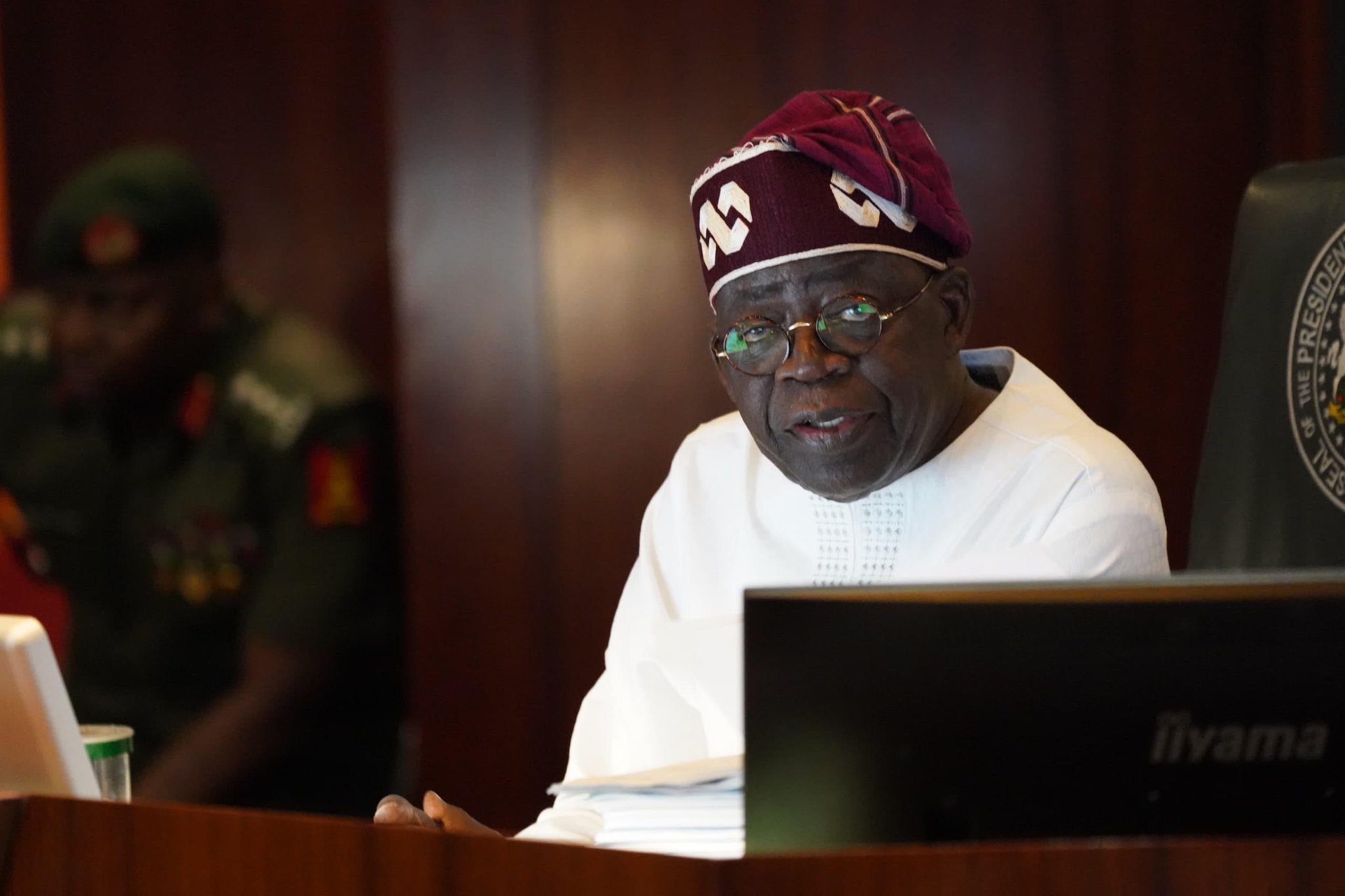
President Bola Ahmed Tinubu has directed the Federal Competition and Consumer Protection Commission (FCCPC) to investigate several global technology companies, including Meta, Alphabet (Google), X (formerly Twitter), and selected generative artificial intelligence (AI) platforms over allegations of unfair use of Nigerian news content and possible anti-competitive practices.
The directive follows a formal petition submitted by the Nigerian Press Organisation (NPO), a coalition of leading media associations comprising the Newspaper Proprietors’ Association of Nigeria (NPAN), Nigeria Union of Journalists (NUJ), Broadcasting Organisations of Nigeria (BON), and the Guild of Corporate Online Publishers (GOCOP).
According to the petition, the technology firms are accused of benefiting from news content produced by Nigerian media organisations without adequate compensation, raising concerns over the sustainability of the country’s journalism industry and the broader media ecosystem.
In response, the FCCPC has been tasked with determining whether the alleged conduct violates the provisions of the Federal Competition and Consumer Protection Act (FCCPA) 2018 or any other applicable laws governing competition and consumer rights in Nigeria.
The Commission stated that the investigation will be conducted independently, transparently, and based on verifiable evidence. It also emphasized that all parties involved will be given an opportunity to present their positions, stressing that the inquiry does not presume wrongdoing by any of the companies under investigation.
FCCPC Executive Vice Chairman and Chief Executive Officer, Tunji Bello, reaffirmed the Commission’s commitment to ensuring fairness throughout the process. He noted that the goal is to strike a balance between encouraging technological innovation and protecting Nigeria’s media industry, which plays a vital role in promoting accountability, public access to information, and democratic governance.
The development reflects a growing global debate over the relationship between digital platforms and news publishers. Several countries have introduced measures requiring technology companies to compensate media organisations for the use of their journalistic content.
In South Africa, for instance, Google agreed to pay local news publishers about $40 million annually for several years following similar concerns over the use of news content by digital platforms.
Observers say the outcome of the FCCPC’s investigation could influence future regulatory policies on digital platforms in Nigeria and shape the relationship between technology companies and local news publishers in the country’s evolving digital economy.

