

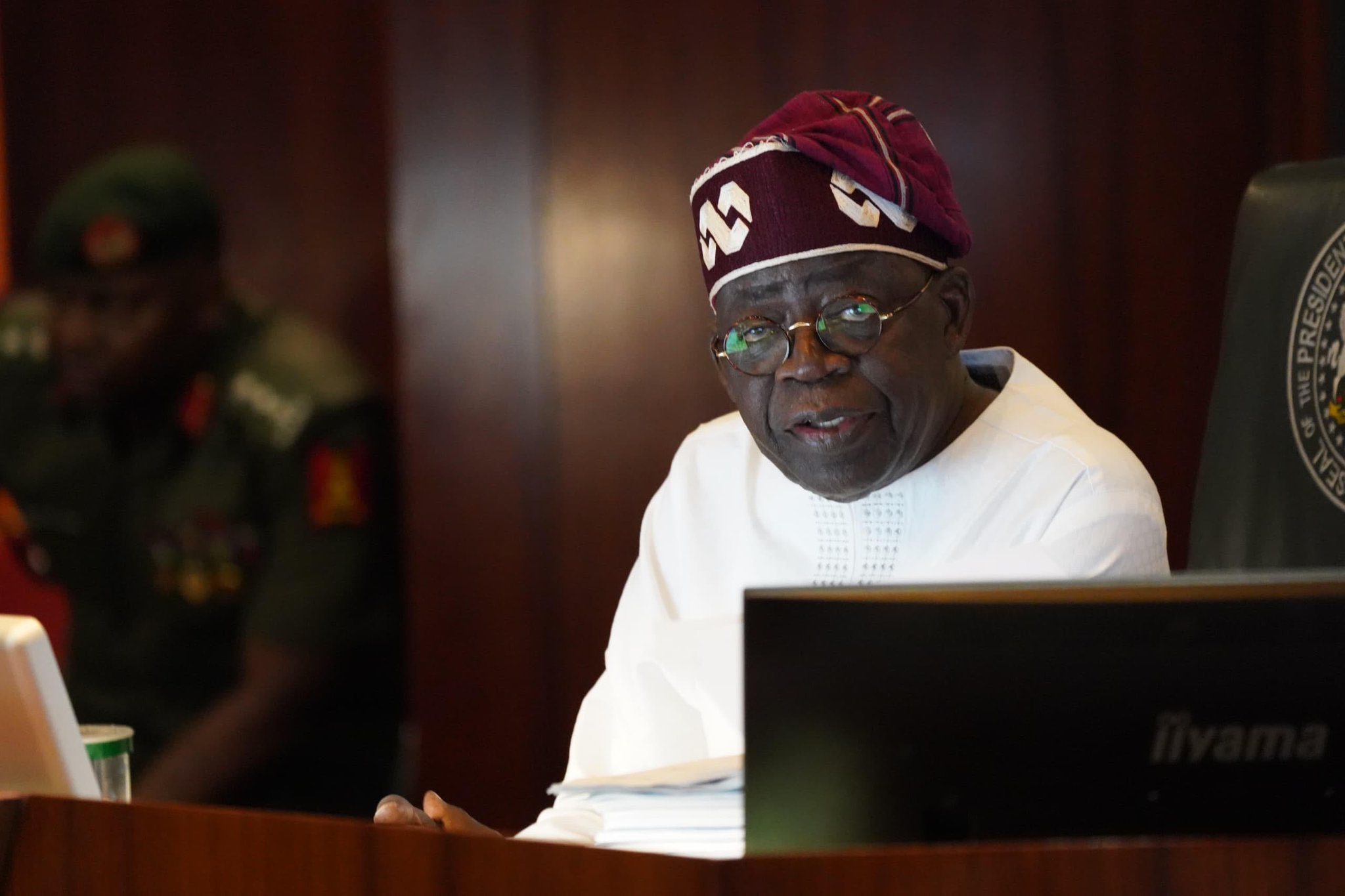
President Bola Ahmed Tinubu has directed state governments to intensify efforts to reduce transportation costs as Nigeria moves toward a broader rollout of the National Affordable CNG Transit Programme from October 1, 2026.
The President disclosed that the initiative is designed to ensure that more Nigerians begin to experience measurable reductions in transport fares, following an August 27 meeting with governors of the 36 states.
According to Tinubu, an implementation committee was subsequently established under the Nigeria Governors’ Forum, chaired by Kwara State Governor AbdulRahman AbdulRazaq. The committee is working with the Presidential Initiative on Compressed Natural Gas and Electric Vehicles (PiCNG & EV), state governments and other stakeholders to identify priority transport corridors and determine appropriate interventions.
The Federal Government says the programme has become increasingly important as disruptions in global energy supplies continue to put pressure on petrol and diesel prices and, consequently, transportation costs.
Tinubu pointed to existing examples across the country where CNG and electric-powered transport services have already helped reduce fares.
In Borno State, for instance, CNG-powered and electric public transport services reportedly charge between ₦50 and ₦100 on some routes where commercial operators charge between ₦300 and ₦600.
In Kaduna, 100 CNG-powered buses provide free transportation on major routes. The President said the buses transported about 3.2 million passengers during their first year and helped commuters save more than ₦3.5 billion in transport expenses.
Oyo State has also recorded significant fare reductions. CNG buses deployed to Pacesetter Transport initially reduced the Lagos-Ibadan fare from approximately ₦8,000 to ₦3,200.
In Adamawa, alternative-energy transport services have reportedly reduced fares by as much as 50 per cent, while in Enugu, the deployment of 100 CNG buses has brought the Enugu-Nsukka fare down from ₦2,500 to ₦1,500.
Plateau State is another example cited by the President. Government-supported buses reportedly transport about 13,000 passengers daily at a fare of ₦200, compared with commercial fares of more than ₦500.
The Federal Government also highlighted the impact of CNG-converted commercial vehicles operating on selected Abuja routes in partnership with the National Union of Road Transport Workers (NURTW). Fares from Area 1 to Gwagwalada have reportedly fallen from ₦1,500 to ₦900, Nyanya from ₦700 to ₦420, and Wuse from ₦400 to ₦240.
Similarly, passengers travelling between Suleja and Abuja in Niger State are reportedly paying about ₦550 instead of approximately ₦800. In Abia State, 40 electric buses have been deployed with fares subsidised by 50 per cent.
Tinubu said these examples demonstrate that cheaper energy can translate into lower transportation costs when the necessary infrastructure and operational arrangements are in place.
Beyond the immediate fare reductions, the President said his administration has spent the past three years developing a wider CNG transportation ecosystem.
According to the State House, more than 120,000 vehicles have been converted to CNG, while Nigeria now has over 400 certified conversion centres and more than 90 CNG refuelling stations. The government says these figures are continuing to increase.
The administration has also expanded the mandate of the Presidential Initiative on Compressed Natural Gas to include electric vehicles, with PiCNG & EV now responsible for coordinating aspects of Nigeria’s clean mobility strategy, including CNG infrastructure, vehicle conversion programmes and electric-vehicle development.
The President maintained that Nigeria’s response to current energy pressures should focus on expanding domestic alternatives rather than returning to the former petrol subsidy system.
He argued that Nigeria’s substantial gas resources provide an opportunity to reduce the country’s exposure to fluctuations in international energy markets by developing alternative energy sources for transportation.
The transition is already expanding to additional states. Edo State has 50 CNG buses in active operation, while Kano has converted more than 1,000 commercial vehicles and is expanding its conversion and refuelling infrastructure.
Delta, Kwara and Lagos are also expanding CNG-supported transportation services, while Akwa Ibom has taken delivery of 50 CNG buses ahead of the commencement of commercial operations.
Tinubu urged all state governments to sustain the momentum ahead of October 1 by working closely with transport unions, commercial operators, manufacturers and private investors.
He particularly called on states to support vehicle conversions, facilitate the deployment of CNG and electric fleets, expand necessary infrastructure and ensure that reductions in energy costs are reflected in the fares paid by commuters.
The Federal Government, he said, would continue supporting CNG infrastructure development, expanding conversion capacity and creating conditions for greater participation by states, transport operators, manufacturers and private investors.
The President’s latest update comes as the government seeks to expand the use of domestic gas and electric mobility as part of efforts to make public transportation more affordable and reduce the impact of global energy price volatility on Nigerian commuters.
ALSO READ: Makinde, APM Sue Abia Governor Otti Over Alleged ₦200m Campaign Fee
For the October 1 target to translate into widespread relief, the effectiveness of the programme will depend on how quickly states expand vehicle conversion, refuelling infrastructure and fleet deployment, as well as how much of the resulting energy savings are passed on to passengers.
The State House statement was issued on September 19, 2026.


[…] Tinubu Sets October 1 Deadline as CNG Programme Targets Lower Transport Fares […]