

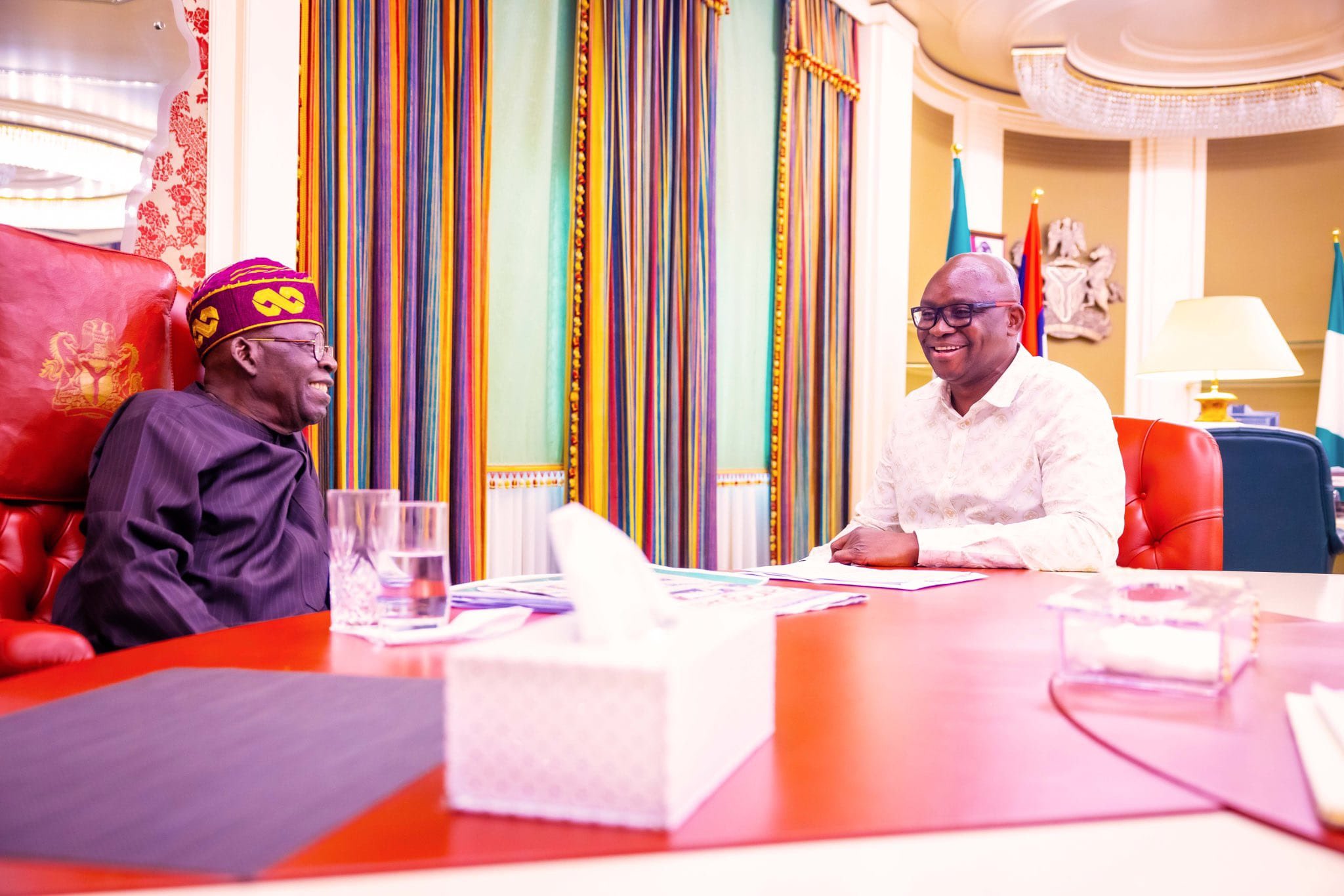
Former Ekiti State Governor, Ayodele Fayose, has pledged to justify the confidence reposed in him by President Bola Ahmed Tinubu following his appointment as Chairman of the Board of the Rural Electrification Agency (REA).
Fayose expressed appreciation to the President for the opportunity to serve, describing the appointment as a significant responsibility aimed at improving electricity access for rural communities across Nigeria.
President Tinubu announced Fayose’s appointment on July 20 as part of a broader exercise that saw 26 individuals named to leadership positions in various federal agencies and commissions.
Speaking on his new role, the former governor said he was honored by the appointment and promised to work diligently to support the agency’s mandate of expanding rural electrification and enhancing the quality of life for Nigerians at the grassroots.
According to Fayose, the REA board has not yet been formally inaugurated, making it premature to outline specific strategies or programmes. He noted that detailed plans would be unveiled once the board officially begins operations.
“I sincerely thank President Bola Tinubu for finding me worthy of this appointment. It is a privilege to serve, particularly in an agency whose mandate directly impacts people at the grassroots,” Fayose said.
He added, “We will do our very best, and by the grace of God, we will not let the President down.”
The former Ekiti governor further explained that discussions on policy direction and implementation would only commence after the board’s inauguration.
“The board has not been inaugurated yet, so I cannot speak extensively on what lies ahead. In due course, when we begin work officially, we will be in a better position to discuss our plans and how we intend to improve rural electrification across the country,” he stated.
ALSO READ: Amaechi Fires Back at Presidency, Warns of Tough 2027 Campaign Over Onaiyekan Controversy
The Rural Electrification Agency plays a key role in extending reliable electricity to underserved and off-grid communities, supporting economic growth, education, healthcare, and improved living standards in rural Nigeria.

