

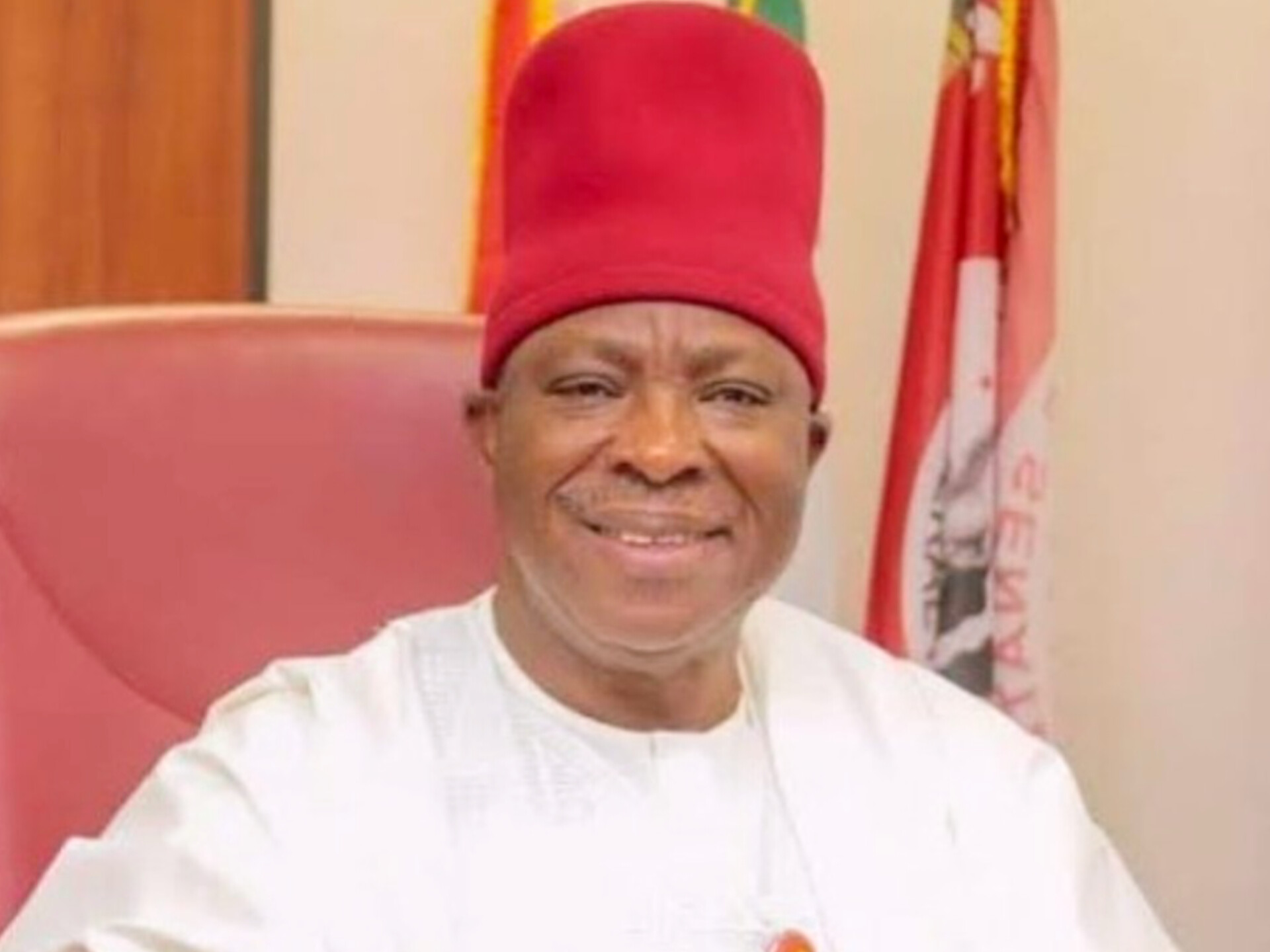
Victor Umeh says INEC initially refused to register the NDC over alleged logo similarities with the APC before a court ruling cleared the party.
Senator Victor Umeh has revealed that the Independent National Electoral Commission (INEC) initially refused to register the Nigeria Democratic Congress (NDC), citing similarities between the party’s logo and that of the ruling All Progressives Congress.
Speaking during an interview on Trust TV, the Anambra Central lawmaker recounted the legal and administrative hurdles the party encountered before eventually gaining official recognition.
According to Umeh, INEC rejected the NDC’s registration application after raising concerns that the party’s emblem closely resembled the APC logo. He explained that the matter later progressed into a legal dispute, where the court was asked to determine whether both logos were truly similar.
The senator stated that the court eventually ruled in favour of the NDC, affirming that there was a clear distinction between the two party symbols. He argued that the judgment validated the party’s legitimacy and exposed weaknesses in the electoral body’s earlier objection.
Umeh noted that the registration battle reflected the wider difficulties often faced by emerging political movements in Nigeria, particularly parties attempting to challenge the dominance of long-established political structures.
He maintained that despite the initial resistance, the NDC remains focused on expanding its national presence and building a competitive political platform ahead of the 2027 general elections.
The lawmaker also expressed optimism about the future of alternative political parties in Nigeria, insisting that many citizens are now seeking fresh political options capable of addressing the country’s growing economic and governance concerns.
ALSO READ: 2027: “No Vacancy” — Constituents Reaffirm Confidence in Obi Aguocha
According to him, the NDC’s long-term strategy is centered on strengthening its grassroots structure across the country while positioning itself as a viable force in Nigeria’s evolving political landscape.

