

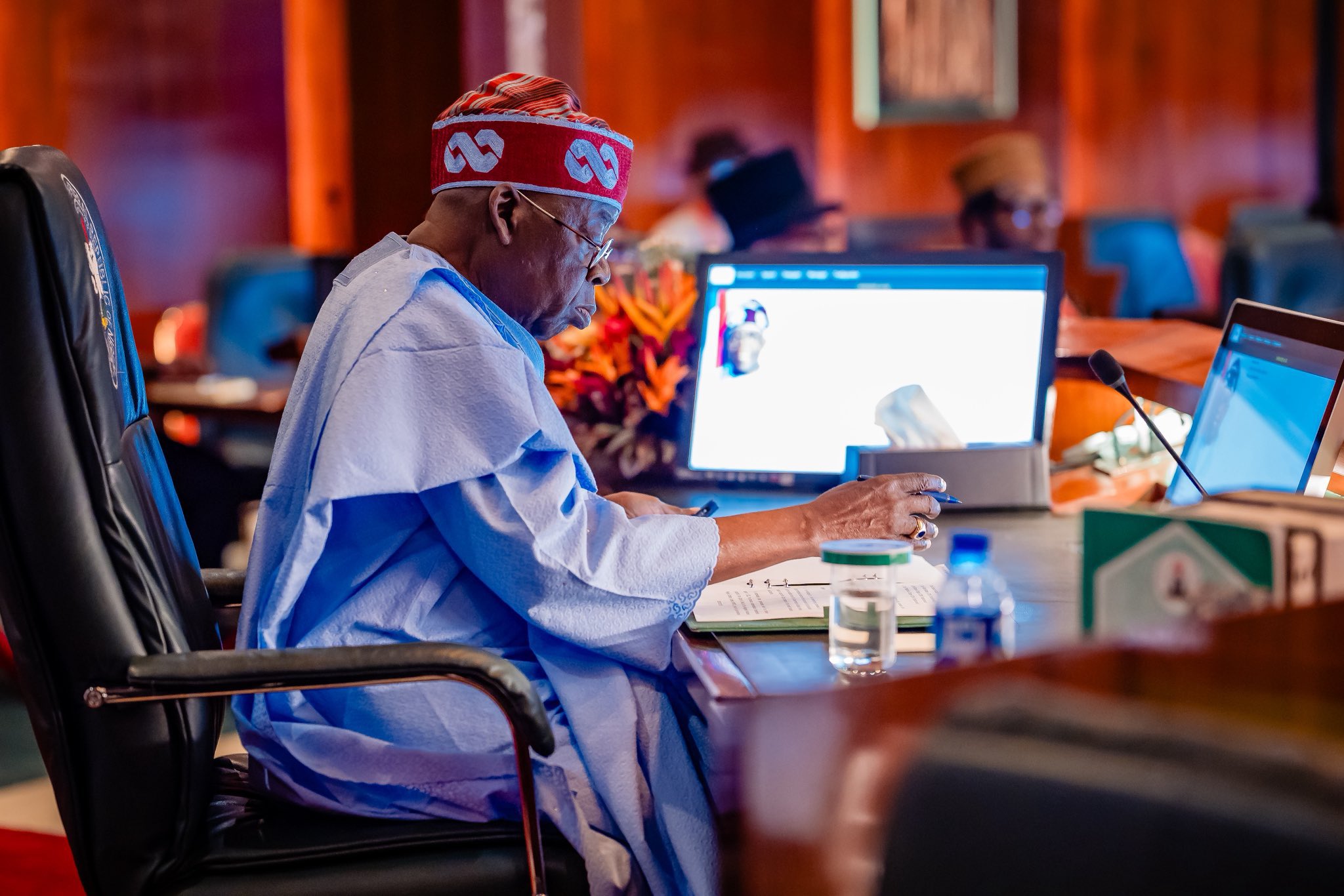
President Bola Ahmed Tinubu has forwarded the name of Professor Abayomi Sunday Fasina, the immediate past Vice-Chancellor of Federal University Oye-Ekiti (FUOYE), to the Senate for confirmation as a non-career ambassador.
The request was formally conveyed in a letter read during Wednesday’s plenary session by Godswill Akpabio. The nomination is in line with constitutional provisions governing ambassadorial appointments in Nigeria.
In the letter, President Tinubu urged lawmakers to expedite the confirmation process, citing Section 171(1)(c) of the 1999 Constitution (as amended), which empowers the President to appoint ambassadors subject to Senate confirmation.
Professor Fasina previously served as Vice-Chancellor of FUOYE and is regarded as an academic administrator with extensive experience in higher education leadership. His nomination comes months after the Federal Government deployed dozens of career and non-career ambassadors to various countries and international organisations as part of efforts to strengthen Nigeria’s diplomatic presence abroad.
However, his nomination has generated public attention due to previous controversies surrounding allegations of sexual harassment that surfaced during his tenure at the university. Several media reports have revisited those allegations following the announcement of his ambassadorial nomination.
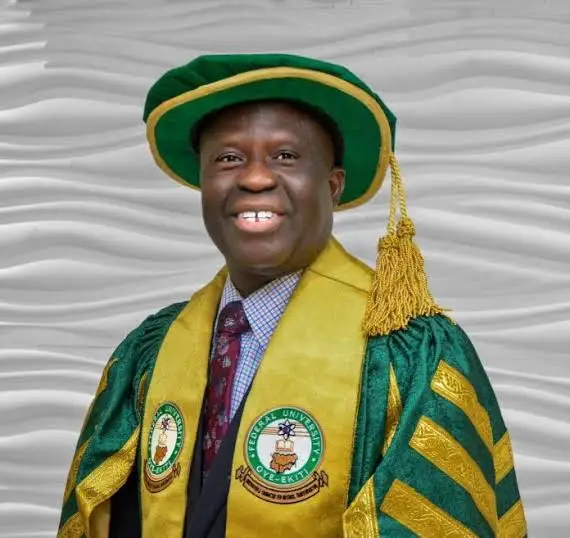
The Senate is expected to subject the nomination to its screening and confirmation process before Professor Fasina can officially assume diplomatic duties.
ALSO READ: Akpabio Swears In Four New Senators Following By-Election Victories
The request was conveyed in an official letter addressed to the upper chamber of the National Assembly, marking another step in the administration’s efforts to strengthen Nigeria’s diplomatic representation with experienced professionals from diverse sectors.
Professor Fasina, an accomplished academic and administrator, currently serves as the Vice-Chancellor of the Federal University Oye-Ekiti in Ekiti State. His nomination as a non-career ambassador underscores the federal government’s intention to leverage his extensive leadership experience, academic background, and public service record in advancing Nigeria’s foreign policy objectives.
The Senate is expected to commence the screening and confirmation process in line with constitutional provisions governing ambassadorial appointments. Once confirmed, Prof. Fasina will join Nigeria’s diplomatic corps and represent the country’s interests abroad in an official capacity.
Non-career ambassadors are typically selected from outside the traditional foreign service structure. Such appointments often involve individuals with distinguished careers in academia, governance, business, law, and other strategic sectors whose expertise can contribute to strengthening bilateral relations and promoting Nigeria’s international interests.
Professor Fasina has built a strong reputation within Nigeria’s higher education sector. Since assuming office as Vice-Chancellor of FUOYE, he has overseen various institutional reforms, academic expansion initiatives, and programmes aimed at improving research, innovation, and infrastructural development within the university.
His nomination is being viewed by observers as recognition of his contributions to educational development and national service.
President Tinubu has, in recent months, continued efforts to reposition Nigeria’s diplomatic engagements by nominating qualified individuals to key ambassadorial positions. The administration maintains that appointing seasoned professionals into strategic international roles will enhance Nigeria’s global image, deepen economic partnerships, and strengthen diplomatic relations with foreign nations.
The Senate’s decision on Prof. Fasina’s confirmation will determine the next phase of his transition from academia into diplomacy, adding another dimension to his public service career.
If confirmed, the appointment is expected to further reinforce the government’s strategy of integrating experienced technocrats and scholars into Nigeria’s foreign policy architecture.

