

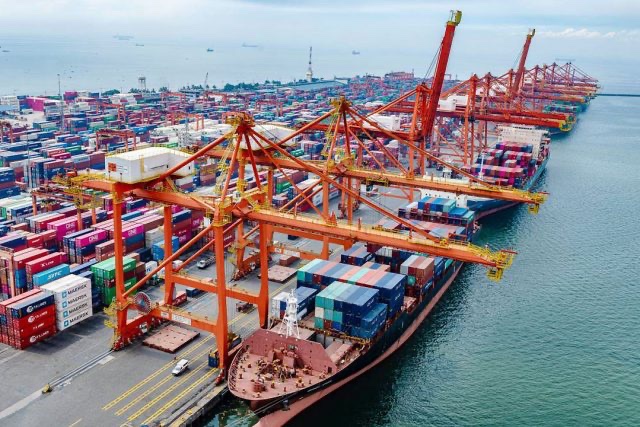
Nigeria’s total merchandise foreign trade climbed to N41,444.89 billion in the second quarter of 2026, reflecting a significant increase in the value of goods traded between Nigeria and the rest of the world.
The latest figure was reported by the National Bureau of Statistics (NBS) as part of its foreign trade statistics, highlighting the continued scale of Nigeria’s involvement in international commerce.
Merchandise trade covers the import and export of physical goods and provides an important indication of the strength and direction of a country’s external trade activities.
The Q2 2026 figure represents a notable increase from the N34,788.59 billion recorded in the first quarter of 2026, indicating stronger trade activity during the three-month period.
Nigeria’s foreign trade performance remains heavily influenced by crude oil and other petroleum-related exports, although manufactured products, agricultural commodities, raw materials and other goods also contribute to the country’s overall trade profile.
In Q1 2026, exports accounted for about 60.85 per cent of total merchandise trade, with total exports valued at N21,169.27 billion.
The latest increase in overall trade comes amid broader signs of economic expansion. The NBS recently reported that Nigeria’s economy grew by 4.43 per cent year-on-year in real terms in Q2 2026, compared with 3.89 per cent in the first quarter.
The development could point to increased commercial activity and stronger international trade flows, although the composition of the trade remains important. Nigeria’s continued dependence on petroleum exports means that changes in global oil prices, production levels and demand can significantly influence the country’s trade position.
The figures also reinforce the importance of expanding non-oil exports, improving domestic production and strengthening Nigeria’s competitiveness in international markets.
For Nigeria to achieve a more resilient external trade position, greater diversification of export products and destinations will remain crucial. Increased investment in manufacturing, agriculture, mining and other productive sectors could help reduce dependence on crude oil while creating additional opportunities for foreign exchange earnings.
ALSO READ: Dangote Refinery Targets World’s Largest Refinery Status by 2028, Dangote Says
Overall, the N41.44 trillion merchandise trade recorded in Q2 2026 underscores the growing scale of Nigeria’s participation in global commerce and provides another important indicator of the country’s economic activity during the period.

