

Nigeria bans cement, poultry, and pharma imports from non-ECOWAS countries as FG unveils new 2026 trade policy and 17-item prohibition list.
The Federal Government of Nigeria has introduced sweeping trade restrictions, banning the importation of cement, poultry products, pharmaceuticals, and several agricultural goods from countries outside the Economic Community of West African States (ECOWAS).
The directive, outlined in a circular issued by the Federal Ministry of Finance Nigeria, was signed by the Minister of Finance, Wale Edun, and dated April 1, 2026.
According to the document, the affected products are part of a revised import prohibition list covering 17 categories of goods. The policy specifically targets items originating from non-ECOWAS member states as part of efforts to strengthen regional trade and support local industries.
The updated restrictions form a key component of Nigeria’s 2026 fiscal policy measures and tariff adjustments, replacing the previous 2023 framework.
To ease the transition, the government approved a 90-day grace period for importers who had already initiated transactions before the policy came into force. This applies to businesses that had opened Form ‘M’ and secured binding trade agreements prior to April 1, 2026.
However, authorities emphasized that any new import transactions initiated from that date must comply fully with the revised import regulations and duty structure.
Full List of Banned Items
The prohibition list includes a wide range of products across multiple sectors:
1) Live and frozen poultry
2) Beef and pork products
3) Bird eggs (with limited exceptions)
4) Refined vegetable oils
5) Sugar and cocoa products
6) Tomatoes and tomato-based items
7) Non-alcoholic beverages
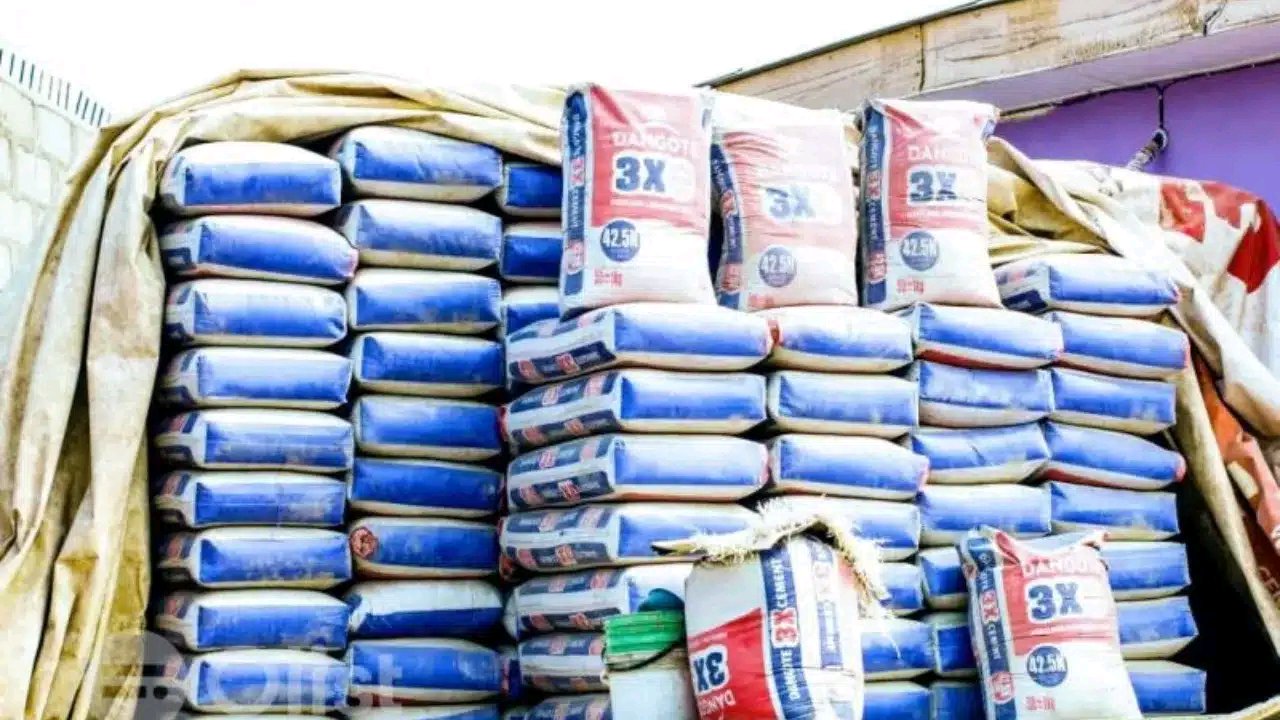
8) Bagged cement
9) Selected pharmaceutical products (medicaments)
10) Fertilisers
11) Soaps and detergents
12) Paper and packaging materials
13) Glass bottles
14) Steel and metal products
15) Ballpoint pens and related parts
In addition to the import restrictions, the Federal Government has introduced a 2% green tax surcharge on certain categories of motor vehicles. The levy targets vehicles with engine capacities ranging from 2009cc to above 4000cc, signaling a push toward environmental sustainability and revenue generation.
The ministry noted that all new fiscal measures, including the updated import prohibition list and tax adjustments, will be officially published in the Federal Government Gazette.
ALSO READ: NBC Issues Fresh Warning to Broadcasters Ahead of 2027 Elections
The latest policy move is expected to reshape Nigeria’s import landscape, encourage domestic production, and deepen trade within the ECOWAS region.

