

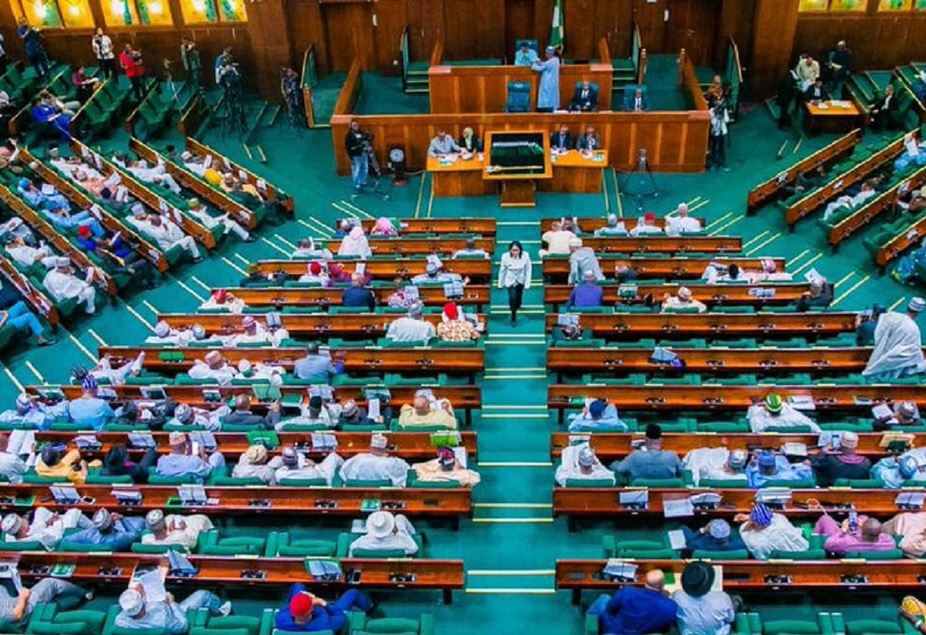
Nigeria’s political landscape witnessed another round of significant realignments in the House of Representatives as several lawmakers announced their defections from their respective political parties.
The latest wave of defections was headlined by the decision of Kingsley Chinda, the Minority Leader of the House of Representatives, to leave the Peoples Democratic Party (PDP) for the All Progressives Congress (APC). His move marks a major development within the lower chamber of the National Assembly, as it also comes with his resignation from the position of Minority Leader.
In a separate development, six lawmakers from Oyo State elected on the platform of the PDP dumped the party for the Allied Peoples Movement (APM), further highlighting the ongoing political reshuffling ahead of future electoral contests.
Political observers say the defections reflect the evolving alliances and strategic calculations taking place across Nigeria’s political landscape as parties position themselves for upcoming elections and legislative battles.
Beyond the PDP-to-APM movement, lawmakers from other political parties also switched affiliations, indicating that the trend cuts across party lines and regions.
Among those who changed political parties are members from Bauchi, Katsina, Delta, Edo, and Nasarawa states, underscoring the widespread nature of the current political realignment.
List of Lawmakers Who Defected and Their New Parties
- Kingsley Chinda — PDP to APC
- Anthony Adebayo — PDP to APM
- Adedeji Olajide — PDP to APM
- Sunday Makanjuola — PDP to APM
- Oyedeji Oyeshina — PDP to APM
- Fola Oyekunle — PDP to APM
- Adigun Adekunle — PDP to APM
- Auwalu Gwalabe (Bauchi State) — PDP to APM
- Shehu Dalhatu (Katsina State) — APC to PDP
- Etanabene Benedict (Delta State) — Labour Party to PDP
- Alex Egbona — APC to PDP
- Esosa Iyawe (Edo State) — APC to Nigeria Democratic Congress (NDC)
- Gbefwi Gaza (Nasarawa State) — Social Democratic Party (SDP) to Labour Party (LP)
The latest developments are expected to influence the balance of power within the House of Representatives and could have broader implications for party strength, legislative negotiations, and future political alignments across the country.
ALSO READ: Lagos Tops FAAC Allocations as States Share Over ₦2 Trillion in First Quarter of 2026
Analysts believe that the growing number of defections may further reshape Nigeria’s political landscape as parties continue efforts to consolidate their positions and attract influential lawmakers ahead of future electoral cycles.

