

A growing outbreak of Lassa fever is causing serious concern across Nigeria, with health experts warning of rising infections and increasing fatalities.
Recent reports indicate that over 580 confirmed cases have been recorded within just 11 weeks, with at least 146 deaths linked to the disease.
The situation has become even more alarming within the healthcare system, where frontline workers are also being affected. At least 25 doctors have contracted the virus, and sadly, three have lost their lives while battling the outbreak.
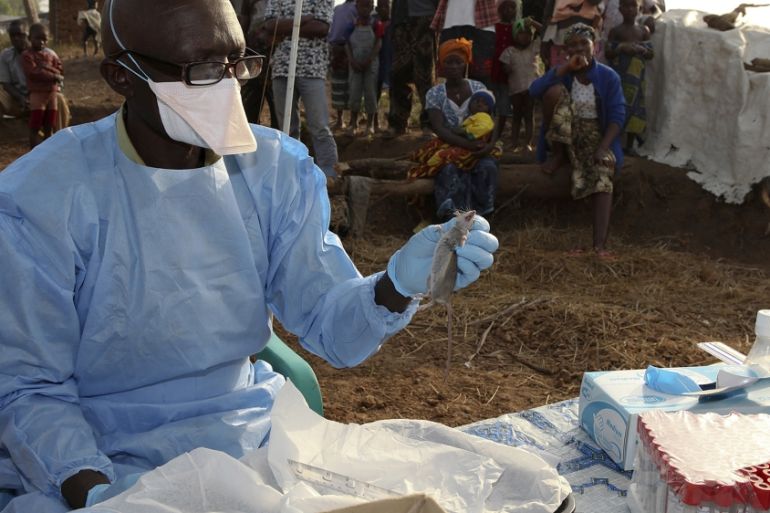
How Lassa Fever Spreads
1. Store food properly and keep cooking utensils covered
2. Seal holes and entry points to prevent rodents from entering homes
3. Wash hands regularly with soap and clean water
4. Seek immediate medical attention if experiencing persistent fever instead of self-medicating
Protecting Health Workers and Communities
Medical professionals remain on the frontlines of this outbreak, facing increased exposure risks. The use of Personal Protective Equipment (PPE) is critical in preventing further spread within healthcare settings. Experts emphasize that many of these infections are preventable with proper awareness and timely action.
Public Awareness is Key
With the outbreak still ongoing, public awareness and responsible health practices are essential. Early detection, proper hygiene, and community cooperation can significantly reduce the impact of Lassa fever across affected regions.
Lassa fever is primarily transmitted through exposure to food or household items contaminated by urine or droppings of infected multimammate rat. Human-to-human transmission is also possible, especially in environments with poor infection control practices.
ALSO READ:
Health authorities warn that the illness may initially appear like a common fever but can quickly escalate into more severe symptoms, including facial swelling, internal bleeding, and shock if not treated promptly.
Preventive Measures Nigerians Must Follow
To reduce the risk of infection, individuals are advised to maintain strict hygiene and environmental control measures:

