

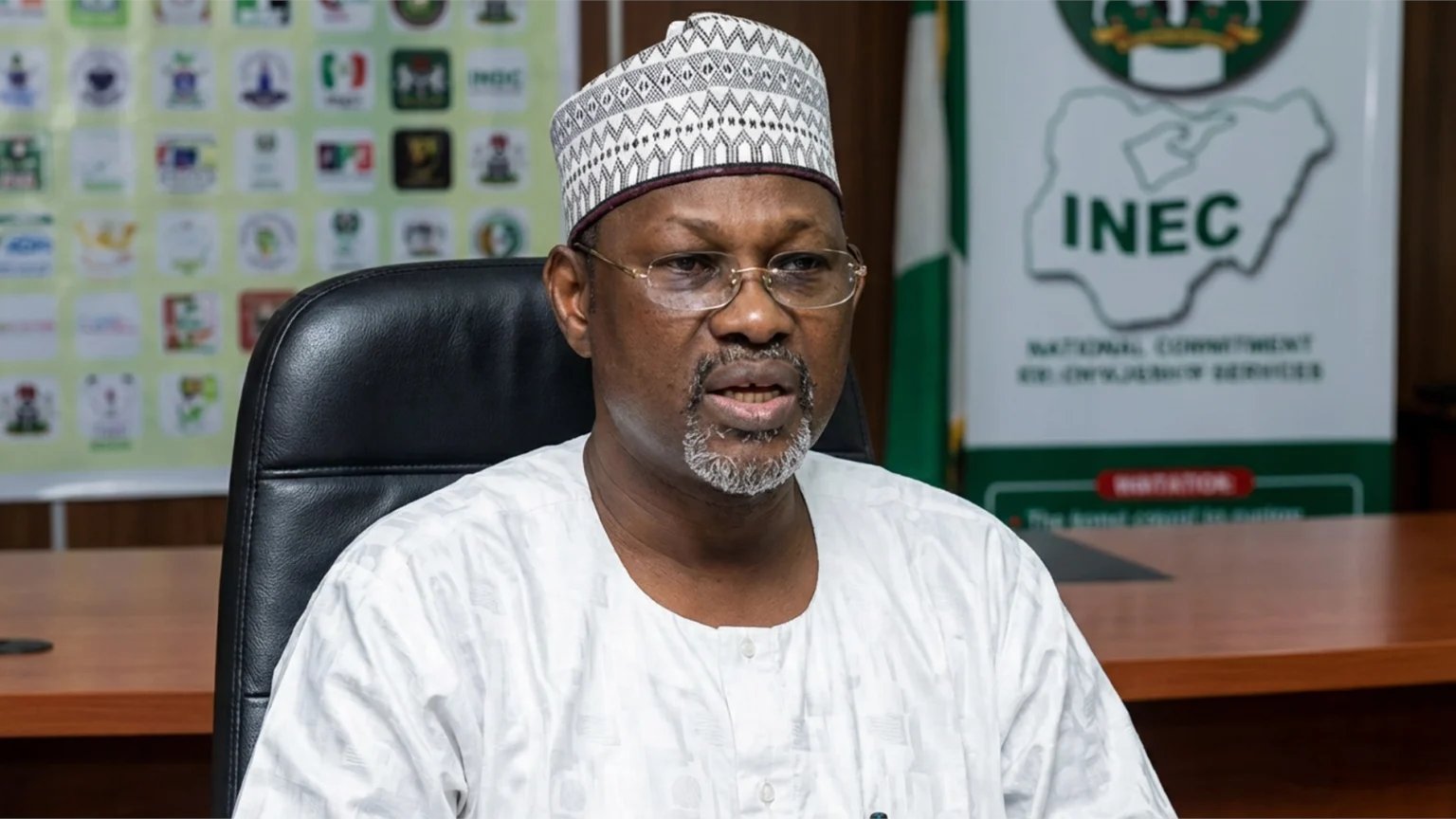
Mahmud Jega Urges Tinubu to Condemn Judicial Actions Against Opposition, Warns of Democratic Risks Ahead of 2027
Frontline political analyst and columnist Mahmud Jega has urged President Bola Ahmed Tinubu to publicly distance himself from what he described as an emerging pattern of judicial actions affecting opposition political parties, warning that continued silence could fuel concerns over the health of Nigeria’s democracy ahead of the 2027 general elections.
Jega made the remarks amid growing political tension following a series of court decisions involving opposition parties, including recent legal disputes over party leadership and the registration of new political platforms. The developments have intensified public debate over the role of the judiciary in Nigeria’s political process and whether the courts are increasingly becoming central to political contests.
According to Jega, President Tinubu should unequivocally affirm his commitment to political pluralism by condemning any perceived attempt to weaken opposition parties through judicial processes. He argued that democracy thrives only when all political parties are allowed to compete freely under the rule of law without fear of undue interference.
The political analyst stressed that while the judiciary remains constitutionally independent, the perception that opposition parties are being disproportionately affected by court actions could damage public confidence in democratic institutions. He warned that allowing such perceptions to persist may deepen political polarization and erode trust in the electoral process before the 2027 elections.
Jega further noted that Nigeria’s democratic stability depends on strong institutions rather than the dominance of any single political party. He urged political leaders across party lines to protect democratic norms, respect judicial independence, and avoid actions capable of creating the impression of political intimidation.
His comments come at a time when several opposition figures have alleged that legal processes and institutional actions are being used to weaken their parties ahead of the next general election. Similar concerns have been raised by opposition politicians and civic groups, although the presidency has repeatedly denied allegations that it seeks to establish a one-party state. President Tinubu has previously stated that he has no intention of turning Nigeria into a one-party democracy and has urged opposition parties to resolve their internal disputes independently.
Political observers believe the coming months will be crucial for Nigeria’s democratic landscape as parties prepare for the 2027 elections. Analysts say maintaining public confidence in the judiciary, electoral institutions and constitutional governance will be essential to ensuring credible elections and preserving democratic stability.
ALSO READ: How NIMC Exposed 7 Boko Haram, ISWAP Commanders Returning from Hajj
As political activities gradually gather momentum ahead of 2027, calls for fairness, institutional neutrality and respect for democratic principles are expected to remain central to national discourse.

